
.jpeg)
Recommended daily dosage and dosage of Cabozantinib
Cabozantinib (Cabozantinib) is a multi-target tyrosine kinase inhibitor mainly used to treat a variety of malignant tumors such as advanced renal cell carcinoma, hepatocellular carcinoma, and medullary thyroid carcinoma. The recommended daily dosage varies slightly depending on the indication. Taking the most common renal cell carcinoma and hepatocellular carcinoma as examples, the recommended daily dose is 60 mg, taken orally once, until disease progression or intolerable toxicity occurs. For patients with medullary thyroid cancer, the recommended dose is usually 140 mg/day (divided into multiple tablet combinations), but lower doses may be used in some countries and regions to control side effects.
Cabozantinib should be taken on an empty stomach. Avoid eating at least 2 hours before taking the drug and at least 1 hour after taking the drug to ensure that the drug absorption effect is not affected. It is recommended to take the medicine at the same time every day to help maintain stable blood concentration and thereby enhance the efficacy. The drug should be swallowed whole and should not be crushed, chewed or broken, otherwise it may change the release mechanism, affect the efficacy or increase the risk of toxic reactions. If you miss a dose, you should judge whether to take it again based on the time until the next dose. Generally, if the missed dose exceeds 12 hours, it is recommended to skip the dose to avoid double doses.
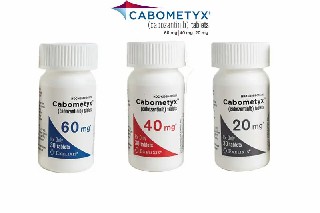
The patient's liver function, kidney function, electrolyte levels and hypertension should be closely monitored during administration, as cabozantinib may cause side effects such as hypertension, hand-foot syndrome, gastrointestinal perforation or bleeding. If adverse reactions of grade 3 or above occur, clinical practice usually recommends suspending the medication or reducing the dose, for example from 60mg to 40mg, or further reducing to 20mg. Specific adjustments must be determined by the doctor based on individual responses. Some patients may require multiple dose adjustments during long-term treatment to achieve the optimal balance between tolerability and efficacy.
It is worth noting that cabozantinib interacts with a variety of drugs, especially strong inducers or inhibitors of the CYP3A4 enzyme, such as rifampicin, ketoconazole, etc., which may affect its plasma concentration. Therefore, drug interaction assessment needs to be conducted before combined use. In addition, patients should avoid ingesting grapefruit or its products at the same time to avoid abnormal increases in blood drug concentrations. In general, although the usage and dosage of cabozantinib have been standardized, it still needs to be flexibly adjusted according to the patient's specific condition and tolerance, and should be used under the guidance of an experienced oncologist.
Reference materials:https://www.drugs.com/
[ 免责声明 ] 本页面内容来自公开渠道(如FDA官网、Drugs官网、原研药厂官网等),仅供持有医疗专业资质的人员用于医学药学研究参考,不构成任何治疗建议或药品推荐。所涉药品可能未在中国大陆获批上市,不适用于中国境内销售和使用。如需治疗,请咨询正规医疗机构。本站不提供药品销售或代购服务。


