
.jpeg)
What diseases does selumetinib mainly treat and how widely is it currently used?
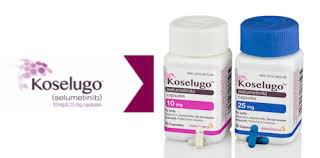
Selumetinib is a selective MEK1/2 inhibitor that mainly exerts anti-tumor effects by blocking the RAS/RAF/MEK/ERK signaling pathway. The drug was first approved by the US Food and Drug Administration (FDA) for the treatment of pediatric patients 2 years and older with neurofibromatosis type 1 (NF1) and associated unresectable plexiform neurofibromas (PN). It is currently the only targeted therapy drug approved for this rare disease. Clinical data shows that selumetinib can effectively reduce tumor size, improve pain, movement disorders and other symptoms, and significantly improve the quality of life of pediatric patients.
In addition toNF1 related diseases, selumetinib also shows certain potential in a variety of solid tumors. Selumetinib has been included in multiple clinical trials as a single agent or in combination in non-small cell lung cancer (especially KRAS mutants), melanoma, colorectal cancer, pancreatic cancer, and certain thyroid cancers. For example, in KRAS mutation-positive non-small cell lung cancer, selumetinib combined with erlotinib has shown a certain disease control rate. Although the efficacy is not stable, it provides a new treatment direction for targeting the RAS pathway in the future.
Current research is also actively exploring combination treatments with selumetinib to enhance its anti-cancer effect, including combination with immune checkpoint inhibitors such as atezolizumab, chemotherapy drugs or other signaling pathway inhibitors. Some early clinical data show that selumetinib can improve drug resistance and treatment response with the cooperation of multiple mechanisms, especially showing synergistic effects in KRAS-driven tumors. These explorations not only expand the applicable population of selumetinib, but also provide new treatment combination strategies for refractory tumors.
Although the current official indications of selumetinib worldwide are mainly limited to NF1-related plexiform neurofibromas, its broad target mechanism and good safety profile have gradually attracted attention for its potential in other diseases. It has not yet been officially launched in mainland China, but some patients have used it through overseas drug purchase channels. With the advancement of relevant clinical research and the support of orphan drug policies, selumetinib is expected to be approved and expand its application scope in more tumors and genetic diseases in the future.
Reference materials:https://www.drugs.com/
[ 免责声明 ] 本页面内容来自公开渠道(如FDA官网、Drugs官网、原研药厂官网等),仅供持有医疗专业资质的人员用于医学药学研究参考,不构成任何治疗建议或药品推荐。所涉药品可能未在中国大陆获批上市,不适用于中国境内销售和使用。如需治疗,请咨询正规医疗机构。本站不提供药品销售或代购服务。


