
.jpeg)
What is the standard dosage of neratinib? Compilation of patient medication guides
Neratinib (Neratinib) is an oral, irreversible tyrosine kinase inhibitor mainly used to treat patients with HER2 positive breast cancer. As a targeted drug, neratinib exerts anti-cancer effects by inhibiting the HER2 and HER1 (EGFR) signaling pathways, blocking tumor cell proliferation and survival signals. Correct usage and dosage and scientific medication guidance are crucial to improving efficacy and reducing the risk of side effects. The standard usage and dosage of neratinib as well as patient medication guidance will be introduced in detail below.
1. Usage and dosage standards of neratinib
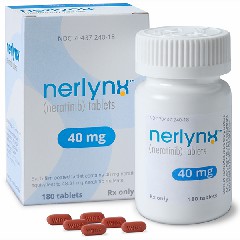
According to clinical trials and drug instructions, neratinib is usually recommended for oral administration, with a dose of 240mg (mg) per day, that is, taking 3 capsules of 80mg capsules once a day for continuous administration. It is recommended that the medication time be fixed at the same time every day to ensure the stability of blood concentration and enhance the therapeutic effect. Patients should swallow the tablets whole and avoid chewing or crushing as this may affect drug release and absorption.
The treatment cycle is generally 28 consecutive days as one course. The specific number of treatment courses will be adjusted by the attending doctor based on the patient's clinical response and tolerance. For patients undergoing adjuvant therapy after surgery, it is generally recommended to initiate neratinib after completion of trastuzumab-containing adjuvant therapy to reduce the risk of recurrence. For patients with advanced or metastatic breast cancer, treatment plans are formulated based on individual conditions.
2. Preparation and precautions for patients before taking medication
Before starting to take neratinib, patients should inform their doctors in detail about their allergy history, liver and kidney function, and current medication status to avoid drug interactions and allergic reactions. Particularly in patients with hepatic impairment, dose adjustment or increased monitoring may be required.
Common side effects of neratinib include diarrhea, nausea, vomiting, and fatigue. Diarrhea is the most common and serious side effect. If not treated in time, it may lead to dehydration and electrolyte imbalance. Therefore, doctors often recommend that patients take a prophylactic antidiarrheal medication (such as loperamide) when starting medication and closely monitor diarrhea symptoms.
3. Management and monitoring during medication use
During treatment, patients need to regularly review liver function, kidney function and blood routine to detect drug toxicity in a timely manner. Pay special attention to monitoring diarrhea and dehydration. If severe diarrhea occurs, seek medical attention immediately. Dosage adjustment or medication suspension may be necessary.
Patients should avoid concurrent use of drugs that may aggravate gastrointestinal irritation, such as nonsteroidal anti-inflammatory drugs (NSAIDs), certain antibiotics, etc. If you have other underlying diseases or are taking multiple medications, be sure to inform your doctor to prevent drug interactions from affecting efficacy or safety.
4. Lifestyle and psychological support suggestions
During neratinib treatment, patients should maintain good eating and living habits and avoid spicy, greasy and other irritating foods to reduce gastrointestinal discomfort. Maintain adequate fluid intake to prevent dehydration, take appropriate rest, and increase physical strength.
In addition, the patient's psychological state is equally important during cancer treatment. Family members and medical staff should provide active support and encouragement to help patients correctly understand drug side effects, enhance compliance, maintain an optimistic attitude, and improve treatment effects.
In summary, the standard dosage of neratinib is 240mg taken orally once a day, and it needs to be used under the guidance of a professional doctor. Through scientific medication guidance and active side effect management, drug efficacy can be maximized and patients' safety and quality of life can be guaranteed. Patients should strictly follow the doctor's instructions, conduct regular reviews, and provide timely feedback on their physical condition to achieve personalized and precise treatment.
Reference materials:https://www.drugs.com
[ 免责声明 ] 本页面内容来自公开渠道(如FDA官网、Drugs官网、原研药厂官网等),仅供持有医疗专业资质的人员用于医学药学研究参考,不构成任何治疗建议或药品推荐。所涉药品可能未在中国大陆获批上市,不适用于中国境内销售和使用。如需治疗,请咨询正规医疗机构。本站不提供药品销售或代购服务。


