
.jpeg)
What are the side effects of afatinib? Common adverse reactions and countermeasures
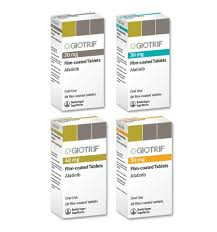
Afatinib As a second-generation EGFR-TKI targeted drug, it can irreversibly inhibit multiple HER family receptors, including EGFR (HER1), HER2 and HER4, and therefore has a wide range of anti-tumor activities. However, due to its wider scope of action, its side effects are more complex than those of first-generation targeted drugs such as gefitinib, especially in the early stages of treatment for non-small cell lung cancer (NSCLC).
The most common side effects include diarrhea, rash, stomatitis and nail problems. Diarrhea is the most frequent adverse reaction. Some patients experience varying degrees of diarrhea in the early stages of medication. Failure to intervene in time may lead to dehydration, electrolyte imbalance, or even interruption of treatment. It is recommended that patients prepare antidiarrheal drugs (such as loperamide) from the initial stage of medication and take them in a timely manner under the guidance of a doctor. Once loose stools occur more than 3 times/day, immediate intervention is required.
Rash and dry skin are also typical adverse reactions during the use of afatinib, mainly on the face, back and upper limbs, and symptoms such as itching and scaling may occur. Although such reactions are not life-threatening, they can significantly affect the patient's quality of life. It is recommended to use non-irritating moisturizing creams and topical hormone ointments, and try to avoid direct sunlight; if necessary, oral antihistamines can be used to relieve itching.
Oral ulcers and nail inflammation also need attention, especially for long-term users, who often suffer from dry mouth, ulcers, paronychia and other problems. Patients are advised to pay attention to oral hygiene and avoid eating spicy and irritating foods; nail problems can be alleviated by soaking hands in warm water and keeping them clean and dry. If symptoms are severe, a dermatologist or oncologist should be consulted to adjust the treatment plan.
Other possible adverse reactions include increased liver function indicators, dry eyes or conjunctivitis, mild pneumonia, etc. Although uncommon, close monitoring is required, especially if you have unexplained cough or difficulty breathing, you should seek medical attention immediately to check for serious adverse reactions such as interstitial lung disease.
Reference materials:https://www.giotrif.com/
[ 免责声明 ] 本页面内容来自公开渠道(如FDA官网、Drugs官网、原研药厂官网等),仅供持有医疗专业资质的人员用于医学药学研究参考,不构成任何治疗建议或药品推荐。所涉药品可能未在中国大陆获批上市,不适用于中国境内销售和使用。如需治疗,请咨询正规医疗机构。本站不提供药品销售或代购服务。


