
.jpeg)
Is Tislelizumab an immune drug or a targeted drug?
Tislelizumab (Tislelizumab) is an immune checkpoint inhibitor. It is an immunotherapy drug rather than a targeted drug in the traditional sense. The following is a detailed analysis of its drug types and mechanisms:
Tislelizumab is a humanized IgG4 antiPD-1 monoclonal antibody developed by BeiGene (BeiGene). Blocks the binding of PD-1 and its ligands PD-L1/PD-L2, thereby releasing the "brake" on T cells and enhancing the body's immune attack power against tumor cells. This mechanism of action belongs to "immune checkpoint inhibition" and is a major breakthrough in the field of tumor immunotherapy in recent years. It is essentially different from traditional targeted drugs that directly kill tumor cells.
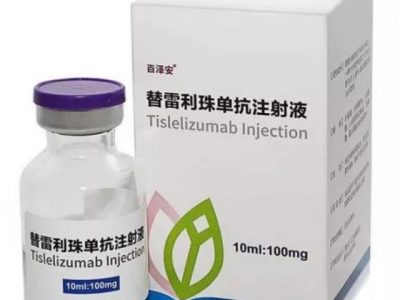
Targeted drugs such as erlotinib and apatinib usually achieve anti-cancer effects by inhibiting specific gene mutation products or signaling pathways in tumor cells, such as EGFR, VEGFR, etc. Immunotherapy drugs such as tislelizumab do not directly act on tumor cells, but activate the patient's own immune system, allowing T cells to re-recognize and attack cancer cells. Therefore, it does not rely on tumor gene mutations and is an "indirect killing" treatment.
Tislelizumab has been approved for multiple indications in China, including relapsed or refractory classical Hodgkin lymphoma, non-small cell lung cancer (NSCLC), hepatocellular carcinoma, urothelial cancer, etc. Its efficacy mainly depends on the integrity of the patient's immune system and the characteristics of the tumor microenvironment, rather than the mutation status of tumor-specific genes, so it can be used in more types of patient groups.
Although tislelizumab is an immune drug and can achieve long-term survival benefits in some patients, it may also cause immune-related side effects, such as pneumonia, hepatitis, thyroid dysfunction, etc., which are called "immune-related adverse events (irAEs)". Therefore, it is necessary to closely monitor the immune response and related organ functions during use, and use immunosuppressive agents such as hormones to intervene when necessary.
In summary, tislelizumab is a typical immunotherapy drug and is not a traditional targeted drug. Its treatment strategy focuses more on activating the body's immune system rather than directly attacking tumor cells.
Reference materials:https://www.drugs.com/seladelpar.html
[ 免责声明 ] 本页面内容来自公开渠道(如FDA官网、Drugs官网、原研药厂官网等),仅供持有医疗专业资质的人员用于医学药学研究参考,不构成任何治疗建议或药品推荐。所涉药品可能未在中国大陆获批上市,不适用于中国境内销售和使用。如需治疗,请咨询正规医疗机构。本站不提供药品销售或代购服务。


