
.jpeg)
Lapatinib combined with capecitabine: how much does brain metastasis ORR improve?
Among breast cancer patients, the HER2-positive subtype has a higher risk of brain metastasis. How to effectively control brain metastases has become an important challenge in treatment. Lapatinib (Lapatinib) is a small molecule tyrosine kinase inhibitor that can inhibit the HER2 and EGFR signaling pathways. Its molecular structure has the characteristics of crossing the blood-brain barrier, so it shows unique potential in the treatment of brain metastases. The combined use of capecitabine, an oral prodrug, can be converted into fluorouracil in the body, further enhancing the killing power of tumor cells. In recent years, studies have found that the combination of lapatinib and capecitabine has significantly improved the objective response rate (ORR) in patients with HER2-positive breast cancer with brain metastases.
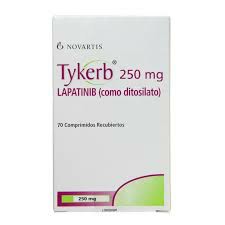
Judging from the current overseas clinical data, lapatinib alone has only limited efficacy in patients with brain metastases, but when combined with capecitabine, the ORR can be increased to nearly 30%. Some studies even report that the ORR can reach more than 50% in some subgroups. Especially among patients who have not received whole-brain radiotherapy, the effectiveness of this combination regimen is even more significant. It not only reduces brain lesions in the short term, but also prolongs progression-free survival (PFS) and overall survival (OS).
Due to its small molecule and strong lipid solubility, Lapatinib can cross the blood-brain barrier better, which is different from some macromolecular anti HER2 antibody drugs that cannot enter the central nervous system. The cytotoxic effect of capecitabine blocks DNA synthesis, allowing it to form a synergistic mechanism with lapatinib to attack cancer cells in brain metastases more efficiently. In addition, this combination regimen is an oral treatment, which improves patient compliance and reduces hospitalization rates. It is currently an important treatment option for patients with brain metastases from HER2-positive breast cancer.
Although the efficacy of the combination therapy of lapatinib and capecitabine in brain metastases has been widely recognized, potential side effects such as diarrhea, hand-foot syndrome, and rash need to be noted. Proper dose adjustment and early management of side effects are crucial to ensure treatment continuity and effectiveness.
Reference materials:https://medlineplus.gov/druginfo/meds/a607055.html
[ 免责声明 ] 本页面内容来自公开渠道(如FDA官网、Drugs官网、原研药厂官网等),仅供持有医疗专业资质的人员用于医学药学研究参考,不构成任何治疗建议或药品推荐。所涉药品可能未在中国大陆获批上市,不适用于中国境内销售和使用。如需治疗,请咨询正规医疗机构。本站不提供药品销售或代购服务。


