
.jpeg)
What are the side effects of Belzutifan?
Belzutifan is an innovative oral drug targeting hypoxia-inducible factor-2α (HIF-2α). Although it has shown unique efficacy in the treatment of certain solid tumors, especially VHL syndrome-related tumors and pheochromocytoma/paraganglioma (PPGL), a series of potential side effects still need to be paid close attention to during its use. According to the current safety data, most of the common adverse reactions of bezotivan are related to its effects on oxygen sensing and metabolic regulation mechanisms, which are reflected in hematological and metabolic abnormalities. For example, anemia is one of the most commonly reported adverse reactions of this drug, and its occurrence is closely related to the reduction in erythropoietin (EPO) synthesis after HIF-2α inhibition, which may lead to a decrease in the number of red blood cells and cause patients to experience symptoms such as fatigue, difficulty breathing, and dizziness. In addition to anemia, fatigue and musculoskeletal pain are also common.
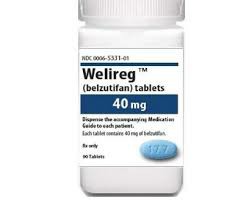
In addition, this drug may also cause abnormal changes in a number of laboratory indicators. During clinical use, it has been observed that patients may experience lymphopenia and leukopenia, suggesting that it has a certain inhibitory effect on the immune system, and attention should be paid to the increased risk of infection. In terms of liver function, some patients experienced elevated levels of alanine aminotransferase (ALT) and aspartate aminotransferase (AST) during medication, suggesting that the drug may impose a certain burden on liver cells and liver function needs to be monitored during medication. In terms of metabolic disorders, increases in calcium and potassium levels are also common adverse reactions, which may affect cardiac electrical activity or neuromuscular function. Electrolyte levels should be monitored before and after treatment and timely intervention should be carried out.
Nervous system adverse reactions include headache, dizziness, and some patients may also be accompanied by nausea. Most of these symptoms are mild to moderate, but in individual cases they may interfere with normal life. In addition, although the increase in alkaline phosphatase does not necessarily directly reflect specific organ damage, it also indicates a certain degree of drug influence on bone metabolism or the hepatobiliary system.
References:https://www.fda.gov/drugs/resources-information-approved-drugs/fda-approves-belzutifan-pheochromocytoma-or-paraganglioma
[ 免责声明 ] 本页面内容来自公开渠道(如FDA官网、Drugs官网、原研药厂官网等),仅供持有医疗专业资质的人员用于医学药学研究参考,不构成任何治疗建议或药品推荐。所涉药品可能未在中国大陆获批上市,不适用于中国境内销售和使用。如需治疗,请咨询正规医疗机构。本站不提供药品销售或代购服务。


