
.jpeg)
Can't I stop taking ensidipine? The truth turns out to be this!
Many patients will have questions when using Enasidenib to treat IDH2-mutated acute myeloid leukemia (AML): "Can I not stop taking this drug once I start taking it?" In fact, the usage period of Enasidenib is not a static "lifelong treatment", but is comprehensively determined based on the patient's specific condition, treatment response and tolerance. The therapeutic goals of ensidipine are to induce leukemia cell differentiation, improve hematological indicators, and maintain remission. Based on clinical studies and real-world data, some patients can achieve complete remission (CR) or hematological improvement within 3 to 6 months after taking the drug, and once stable remission is achieved, doctors may recommend continued maintenance treatment to prevent relapse.
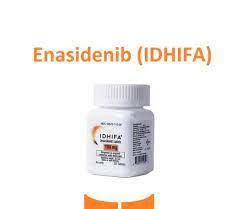
However, this does not mean that everyone "can't stop". Whether to discontinue the drug needs to be judged based on whether the patient reaches the endpoint of treatment, completes bone marrow transplantation, develops drug resistance or serious adverse reactions. For example, for patients scheduled for hematopoietic stem cell transplantation, ensidipine may only be a "bridging therapy" and discontinuation of the drug may be considered after transplantation. For patients who cannot undergo transplantation, if ensidipine can control the disease for a long time and the side effects are controllable, it is usually recommended to continue taking the medication to maintain the efficacy. Once the patient develops serious side effects, such as liver function damage, IDH inhibitor-related differentiation syndrome, or disease progression and loss of efficacy, the drug may need to be discontinued or the regimen changed.
In addition, some patients may try "observational drug withdrawal" after systematic evaluation and confirmation that there are no residual leukemia cells, normal differentiation, and long-term stable indicators after taking the drug for several years. However, this must be done under strict monitoring, with regular review of bone marrow and blood. Once signs of recurrence are found, timely intervention can be performed. In general, ensidipine does not mean that you can’t stop taking it for the rest of your life. The key is that it varies from person to person and depends on the disease. You must not stop the drug or reduce the dose without authorization. All decisions should be based on the guidance of a hematologist.
Reference materials:https://www.idhifa.com/
[ 免责声明 ] 本页面内容来自公开渠道(如FDA官网、Drugs官网、原研药厂官网等),仅供持有医疗专业资质的人员用于医学药学研究参考,不构成任何治疗建议或药品推荐。所涉药品可能未在中国大陆获批上市,不适用于中国境内销售和使用。如需治疗,请咨询正规医疗机构。本站不提供药品销售或代购服务。


