
.jpeg)
What are the precautions for Guanfacine?
In the clinical study of Guanfacine in the treatment of ADHD (ADHD), warnings and precautions such as hypotension, bradycardia and syncope, sedation and drowsiness, cardiac conduction abnormalities, rebound hypertension, etc. appeared. Discontinue and resume at reduced dose upon recovery, or permanently discontinue based on severity.
1. Hypotension, bradycardia and syncope: It has been observed in clinical studies that the magnitude of this decrease will gradually decrease with the prolongation of treatment time. However, some patients may experience symptoms such as orthostatic hypotension and syncope during treatment. This requires regular measurement of the patient's heart rate and blood pressure before starting treatment, after increasing the dose, and throughout the treatment process to detect abnormalities in a timely manner and take appropriate measures.
Particular caution should be exercised in patients with a history of hypotension or other diseases that may aggravate hypotension and bradycardia, such as heart block, bradycardia, cardiovascular disease, etc. For these patients, slow titration is recommended to reduce the burden on the cardiovascular system. In addition, patients should avoid dehydration and overheating, especially those with a history of syncope or possible triggers for syncope. Monitoring blood pressure and heart rate and adjusting the dosage of any antihypertensive medications used concomitantly with guanfacine are important measures to ensure patient safety.
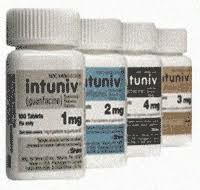
2. Sedation and somnolence: This phenomenon is frequently documented in clinical studies. Therefore, healthcare providers should consider the potential for additive sedation before using guanfacine with other centrally active drugs. Patients should not operate heavy equipment or drive until their response to guanfacine is known to avoid accidents caused by the sedation effects. In addition, health care providers should remind patients to avoid drinking alcohol at the same time, as alcohol can worsen sedation and increase the risk of adverse events.
3. Cardiac conduction abnormalities: Due to the antisympathetic effect of guanfacine, sinus node dysfunction and atrioventricular block may be aggravated, especially in patients taking other antisympathetic drugs at the same time. Therefore, patients who develop cardiac conduction abnormalities need to titrate guanfacine slowly and monitor their vital signs regularly to ensure that any cardiac problems are detected promptly during treatment. .
4. Rebound hypertension: This is a relatively serious side effect. In post-marketing experience, sudden discontinuation has been found to result in significant and sustained hypertension and increased heart rate, and patients may even develop symptoms of hypertensive encephalopathy. This rebound phenomenon is more obvious when using high-dose guanfacine. Therefore, it is recommended to gradually reduce the total daily dose when discontinuing the drug, and reduce it by no more than 1 mg every 3 to 7 days to minimize the risk of rebound hypertension.
In addition, especially pediatric patients, they are often accompanied by gastrointestinal diseases, which may cause vomiting, thus affecting the normal taking of medications, which may also make them more susceptible to rebound hypertension. Therefore, doctors need to closely track the patient's blood pressure and heart rate changes during treatment and make corresponding adjustments when necessary.
Reference materials:https://dailymed.nlm.nih.gov/dailymed/drugInfo.cfm?setid=b972af81-3a37-40be-9fe1-3ddf59852528##
[ 免责声明 ] 本页面内容来自公开渠道(如FDA官网、Drugs官网、原研药厂官网等),仅供持有医疗专业资质的人员用于医学药学研究参考,不构成任何治疗建议或药品推荐。所涉药品可能未在中国大陆获批上市,不适用于中国境内销售和使用。如需治疗,请咨询正规医疗机构。本站不提供药品销售或代购服务。


