
.jpeg)
What are the side effects of Crizotinib/Xalkori? How to respond scientifically
Crizotinib is an oral small molecule targeted drug, mainly used to treat patients with ALK or ROS1 gene rearrangement-positive non-small cell lung cancer (NSCLC). As the first targeted drug approved for ALK fusion lung cancer, crizotinib has achieved remarkable results in prolonging the progression-free survival of patients and improving the response rate, but its treatment process is also accompanied by certain side effects. Common adverse reactions include gastrointestinal symptoms (such as nausea, vomiting, diarrhea), visual abnormalities, fatigue, decreased appetite, and constipation. Among them, visual abnormalities such as blurred vision and flickering light and shadow are more representative side effects. They usually occur in the early stage of medication, are mostly mild and can be relieved by themselves. Abnormal liver function is also a matter of concern. Some patients may experience elevated transaminases. Liver enzyme indicators need to be tested regularly, and the dose should be adjusted or medication suspended if necessary.
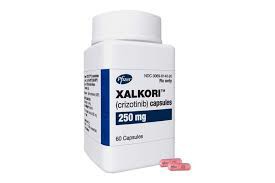
In addition, crizotinib may also affect the electrocardiogram, resulting in prolongation of the QT interval. Therefore, patients with a history of underlying heart disease should be particularly careful and monitor their electrocardiogram before and after treatment to avoid risks. Rare but serious adverse reactions include interstitial lung disease, manifested as dry cough, dyspnea, and hypoxemia. If similar symptoms occur, the drug should be discontinued immediately and evaluated for drug-induced lung injury.
The key to dealing with the side effects of crizotinib is early identification and dynamic monitoring. In the early stage of treatment, it is recommended to review blood routine, liver and kidney function, electrolyte levels and electrocardiogram every 2 to 4 weeks. Once adverse reactions occur, they are treated according to their severity: mild symptoms such as nausea can be relieved by taking medication after meals or taking antiemetics; while moderate to severe toxicity may require dose reduction or temporary discontinuation of medication. Reasonable management of side effects under the guidance of a doctor can significantly improve the continuity of treatment and the patient's quality of life.
Reference materials:https://go.drugbank.com/drugs/DB08865
[ 免责声明 ] 本页面内容来自公开渠道(如FDA官网、Drugs官网、原研药厂官网等),仅供持有医疗专业资质的人员用于医学药学研究参考,不构成任何治疗建议或药品推荐。所涉药品可能未在中国大陆获批上市,不适用于中国境内销售和使用。如需治疗,请咨询正规医疗机构。本站不提供药品销售或代购服务。


