
.jpeg)
What key information does the Bedaquiline package insert contain? What instructions should patients pay attention to when using bedaquiline?
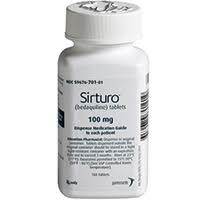
Bedaquiline is an anti-tuberculosis drug used to treat drug-resistant Mycobacterium tuberculosis. It inhibits the ATP synthesis of Mycobacterium tuberculosis and prevents its growth and reproduction. Below is some key information from the bedaquiline labeling and guidance for patients when using it.
1. Drug indications
Bedaquiline is indicated for the treatment of adults and children (6 years and older) with multidrug-resistant tuberculosis (MDR-TB) and extensively drug-resistant tuberculosis (XDR-TB). It is part of a combination treatment regimen and is often used with other anti-tuberculosis drugs to avoid the development of drug resistance.
2. Drug dosage and usage
The recommended initial treatment dose of bedaquiline is 1 time400mg once daily for two weeks. The patient's dose will then be reduced to 200 mg once daily for the next 4 weeks. Thereafter, treatment is usually 200 mg 3 times per week for a total treatment cycle of 6 months. However, the specific dosage and treatment cycle should be determined by a professional doctor based on the patient's specific condition, weight, drug resistance and other factors.
Bedaquiline is usually taken by mouth and is recommended with food to reduce gastrointestinal discomfort.
3. Adverse reactions
Common adverse reactions include:
Abnormal liver function: Bedaquiline may affect liver function, causing elevated liver enzymes. Patients need to check liver function regularly during use.
Heart problems: Bedaquiline may prolong the QT interval and increase the risk of arrhythmias, especially in patients with heart disease, so regular EKG monitoring is required.
Gastrointestinal discomfort: such as nausea, vomiting, diarrhea, etc. Taking it with food can help reduce these symptoms.
Other possible side effects include headache, fatigue, joint pain, etc. If serious adverse reactions occur, patients should stop taking the drug immediately and consult a doctor.
4. Contraindications
Bedaquiline is contraindicated in patients with known hypersensitivity to its components. This drug should also be avoided in people with serious heart problems (such as severe arrhythmias, uncontrolled heart disease).
5. Precautions for use by special groups
Hepatic Impairment: Bedaquiline should be used with caution in patients with hepatic impairment and close monitoring of liver function is required.
Pregnant and breast-feeding women: The safety of bedaquiline in pregnant women has not been well studied, so pregnant women should avoid its use unless their doctor determines that the benefits outweigh the risks. When using during lactation, you should also decide whether to continue feeding based on your doctor's advice.
6. Drug Interactions
Bedaquiline may interact with certain medications. For example, when it is used in combination with certain antifungal drugs, antiviral drugs, antituberculosis drugs, etc., it may affect its efficacy or increase the risk of adverse reactions. Therefore, while taking bedaquiline, patients should inform their doctor about other medications they are taking to avoid drug interactions.
7. Usage Guide
Monitoring: Patients need to undergo regular liver function and electrocardiogram tests while taking bedaquiline, especially in the early stages of treatment, to ensure timely detection of potential adverse reactions.
Take it as directed by your doctor: Bedaquiline should be taken strictly in accordance with the doctor's prescription. Do not increase or decrease the dosage or stop taking it on your own. During treatment, medication adjustments should be made according to the doctor's recommendations.
Adverse reaction report: If symptoms such as palpitations, chest pain, rash, difficulty breathing, etc. occur, you should seek medical treatment in time.
Combination with other drug treatments: Bedaquiline must be used in combination with other anti-tuberculosis drugs. It may lead to drug resistance when used alone, so patients should strictly adhere to the combination treatment regimen.
In conclusion, bedaquiline is an effective anti-tuberculosis drug, but during use, patients need to be closely monitored and aware of associated side effects. Through rational medication use and regular examinations, adverse drug reactions can be minimized and the safety and effectiveness of treatment can be ensured.
Reference materials:https://en.wikipedia.org/wiki/Bedaquiline
[ 免责声明 ] 本页面内容来自公开渠道(如FDA官网、Drugs官网、原研药厂官网等),仅供持有医疗专业资质的人员用于医学药学研究参考,不构成任何治疗建议或药品推荐。所涉药品可能未在中国大陆获批上市,不适用于中国境内销售和使用。如需治疗,请咨询正规医疗机构。本站不提供药品销售或代购服务。


