
.jpeg)
Travere Therapeutics plans to submit sparsentan/sparsentan for the treatment of FSGS
Travere Therapeutics announced the submission of a supplemental New Drug Application (sNDA) to the U.S. Food and Drug Administration (FDA) for sparsentan for the treatment of focal segmental glomerulosclerosis (FSGS). The announcement was made on February 11, 2025, and the sNDA is based on existing data from the Phase 3 DUPLEX and Phase 2 DUET studies. As there are currently no approved drugs to treat this devastating, progressive and complex rare kidney disease, the two largest interventional studies to date in FSGS, the DUPLEX and DUET studies, will serve as the basis for the submission. Importantly, the results of these studies are consistent with recent findings from the PARASOL working group supporting the importance of proteinuria in FSGS.
The management of rare kidney diseases has been experiencing a renaissance in recent years. Although the primary target for early development was IgA nephropathy, many companies have shifted their focus to other forms of glomerular disease, such as FSGS and C3 glomerular disease. Sparsentan was first approved in 2023 under accelerated approval to reduce proteinuria in IgA nephropathy and expanded to full approval in September 2024, making this once-daily oral medication the first non-immunosuppressive treatment to prevent decreased kidney function in IgA nephropathy.
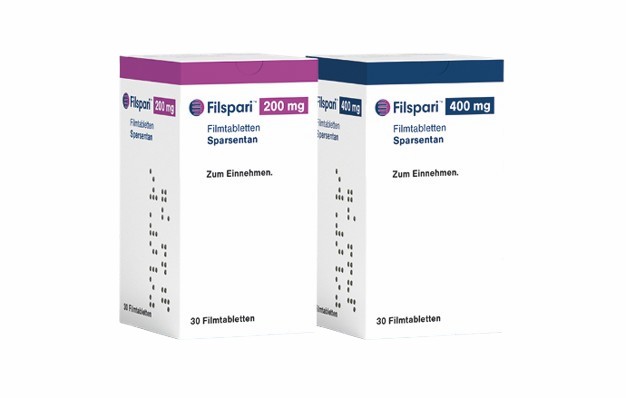
Between these two IgA nephropathy approvals, results from the DUPLEX trial, billed as the largest interventional study in FSGS to date, compared the use of sparsentan with irbesartan in 371 patients for 108 weeks. For FSGS patients, they are on high alert for the next stage of the disease, and anything that can be given to them that might slow that down is beneficial.
A global, multicenter, randomized, double-blind, parallel group, active-controlled study. Inclusion criteria required patients to be aged 8 to 75 years old, with biopsy-confirmed FSGS or a documented pathogenic variant in podocyte protein related to FSGS, a urine protein to creatinine ratio of 1.5 or greater, and an eGFR of at least 30 mL/min/1.73m2 body surface area at screening.
At Week 108, patients receivingsparsentan and irbesartanThere was no significant difference in eGFR slope. However, the researchers highlighted that the overall slope difference from day 1 to week 108 was 0.3 mL/min/1.73 m² per year (95% CI, -1.7 to 2.4), and the chronic slope difference from week 6 to week 108 was 0.9 mL/min/1.75 m² per day (95% CI, -1.3 to 3.0). Additionally, at Week 112, mean eGFR decreases were -10.4 mL/min/1.73 m² for sparsentan and -12.1 mL/min/1.75 m² for irbesartan, respectively, resulting in a non-significant difference of 1.8 mL/min/1.83 m² (95% CI, -1.4 to 4.9). including lack of statistical significance.
BecauseFSGS is a very rare disease, it is challenging to have enough patients in clinical trials to demonstrate a statistically significant reduction in event rates such as end-stage renal disease. For some chronic kidney disease trials, there may be 5,000 to 7,000 patients enrolled. With 370 patients in the study, this is already the largest trial of FSGS ever.
Reference materials:https://www.hcplive.com/view/travere-therapeutics-plans-fsgs-submission-for-sparsentan
[ 免责声明 ] 本页面内容来自公开渠道(如FDA官网、Drugs官网、原研药厂官网等),仅供持有医疗专业资质的人员用于医学药学研究参考,不构成任何治疗建议或药品推荐。所涉药品可能未在中国大陆获批上市,不适用于中国境内销售和使用。如需治疗,请咨询正规医疗机构。本站不提供药品销售或代购服务。


