
.jpeg)
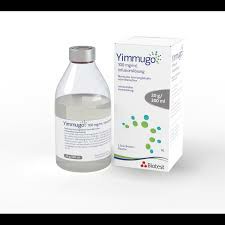
What are the precautions for intravenous injection of human immunoglobulin (Yimmugo)?
In clinical studies of intravenous human immunoglobulin (Yimmugo) in the treatment of primary humoral immune deficiency (PI), warnings and precautions such as allergies, hemolysis, thrombosis, renal failure, hyperalbuminemia, increased serum viscosity and hyponatremia, aseptic meningitis syndrome, transfusion-related acute lung injury, and infectious pathogens have emerged. Discontinue and resume at reduced dose upon recovery, or permanently discontinue based on severity.
1. Allergy: Severe allergic reactions, including anaphylaxis, occurred after the use of intravenous human immune globulin . . If an allergic reaction occurs, stop the infusion immediately and take appropriate treatment. Severe acute allergic reactions should be treated immediately with epinephrine. Patients withIgA antibodies are known to be at greater risk for severe allergic reactions and anaphylaxis. This drug is contraindicated in IgA-deficient patients with a history of IgA antibodies and allergic reactions.
2. Hemolysis: Reports of hemolysis after intravenous injection of human immunoglobulin may contain blood type antibodies that can act as hemolysins and induce in vivo coating of red blood cells (RBCs) with immunoglobulins, resulting in a positive direct antiglobulin reaction and hemolysis. Due to enhanced red blood cell sequestration, delayed hemolytic anemia and acute hemolysis may occur after IGIV treatment, consistent with intravascular hemolysis. Monitor patients for clinical signs and symptoms of hemolysis. If clinical signs and symptoms of hemolysis or a significant decrease in hemoglobin or hematocrit are observed after infusion, perform confirmatory laboratory testing. If a patient who develops hemolysis and anemia after receiving IGIV requires a blood transfusion, a crossmatch should be performed to avoid exacerbating the ongoing hemolysis.
3. Thrombosis: Thrombosis may occur after treatment with immune globulin products. Risk factors may include: advanced age, prolonged immobilization, hypercoagulable state, history of venous or arterial thrombosis, use of estrogens, indwelling central cardiovascular catheters, hyperviscosity, and cardiovascular risk factors. Thrombosis can occur in the absence of known risk factors. Consider a baseline assessment of blood viscosity in patients at risk for hyperviscosity. For patients at risk for thrombosis, administer at the lowest dose and infusion rate feasible. Ensure patient is adequately hydrated before administration. Monitor for signs and symptoms of thrombosis and assess blood viscosity in patients at risk for hyperviscosity.
4. Renal failure: Renal dysfunction, acute renal failure, osmotic nephropathy and death may occur when using intravenous human immune globulin . Before use, make sure the patient is not volume depleted. For patients at risk for renal insufficiency due to pre-existing renal insufficiency or predisposition to acute renal failure (e.g., diabetes mellitus, hypovolemia, overweight, concomitant use of nephrotoxic drugs, or age >65 years), administer at the lowest practicable infusion rate. Patients judged to be at increased risk for acute renal failure should undergo periodic monitoring of renal function and urine output.
5. Hyperalbuminemia, increased serum viscosity and hyponatremia: AcceptHyperalbuminemia, increased serum viscosity, and hyponatremia may occur in IGIV-treated patients. It is crucial to distinguish clinically between true hyponatremia, which is associated or causally related to hyperalbuminemia accompanied by a decrease in calculated serum osmolality or an increase in the osmolality gap, because treatments aimed at reducing serum free water in patients with pseudohyponatremia may lead to volume depletion, further increases in serum viscosity, and possible triggers of thromboembolic events.
6. Aseptic meningitis syndrome (AMS): AMS usually begins within a few hours to 2 days after IGIV treatment. Cessation of IGIV therapy resulted in remission of AMS within a few days without sequelae. 4 AMS is characterized by the following signs and symptoms: severe headache, nuchal rigidity, somnolence, pyrexia, photophobia, painful eye movements, nausea, and vomiting. Cerebrospinal fluid (CSF) studies frequently show polycytosis with up to several thousand cells per cubic millimeter, primarily from the granulocyte lineage, and elevated protein levels to hundreds of mg/dL, but cultures are negative. Perform a thorough neurological examination, including cerebrospinal fluid examination, in patients who develop signs and symptoms of AMS to rule out other causes of meningitis. AMS may occur more frequently with high doses (2 g/kg) and/or rapid infusions of IGIV.
7. Transfusion-related acute lung injury (TRALI): Non-cardiogenic pulmonary edema may occur in patients receiving IGIV therapy, 4 including YIMMUGO. TRALI is characterized by severe respiratory distress, pulmonary edema, hypoxemia, normal left ventricular function, and fever. Symptoms usually appear within 1 to 6 hours after treatment. Monitor patients for adverse pulmonary effects. If TRALI is suspected, discontinue IGIV immediately and perform appropriate testing of the product and patient serum for antineutrophil antibodies and anti-human leukocyte antigen (HLA) antibodies. TRALI is a potentially life-threatening condition requiring immediate intensive care unit management. TRALI can be managed with oxygen therapy and adequate ventilatory support.
8. Infectious pathogens: BecauseYIMMUGO is made from human blood, it may carry the risk of transmitting infectious pathogens, such as viruses, variant Creutzfeldt-Jakob disease (vCJD) and theoretical Creutzfeldt-Jakob disease (CJD) pathogens. This also applies to unknown or emerging viruses and other pathogens. By screening plasma donors and incorporating viral inactivation and virus and prion removal steps into YIMMUGO's production process, the risk of infectious material transmission is reduced.
Reference materials:https://dailymed.nlm.nih.gov/dailymed/drugInfo.cfm?setid=77aaac18-f2af-46c4-8f65-b15be1cec3c2
[ 免责声明 ] 本页面内容来自公开渠道(如FDA官网、Drugs官网、原研药厂官网等),仅供持有医疗专业资质的人员用于医学药学研究参考,不构成任何治疗建议或药品推荐。所涉药品可能未在中国大陆获批上市,不适用于中国境内销售和使用。如需治疗,请咨询正规医疗机构。本站不提供药品销售或代购服务。


