
.jpeg)
Can Teriflunomide be reimbursed?
Teriflunomide (Teriflunomide) is mainly used to treat multiple sclerosis. Its mechanism of action includes inhibiting immune cell activity and regulating inflammatory responses. Teriflunomide blocks the DNA synthesis process and reduces the activity of immune cells such as T lymphocytes and B lymphocytes by inhibiting dihydroxyacetyl dehydrogenase (DHODH). This helps reduce autoimmune responses and inflammation, and slows disease progression in multiple sclerosis.
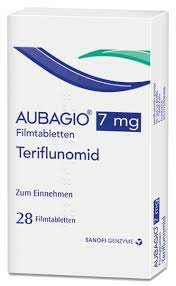
Teriflunomide is a long-term medication whose effects develop gradually during continued use. It often takes several months or even longer to see noticeable improvement. Regular follow-up visits with your doctor should be conducted during treatment to evaluate the effect of the drug and adjust the treatment plan. The effects of teriflunomide vary on an individual basis, and different patients may respond differently. Some studies show that teriflunomide can reduce the rate of MS relapses, reduce symptoms, and slow the progression of the disease.
The original drug Teriflunomide has been marketed in China and has entered the scope of medical insurance through medical insurance reimbursement standards. It may be limited to multiple sclerosis patients who are ineffective in conventional treatments. However, the reimbursement ratio is different in different regions, and the price after reimbursement is different. Specifications The price of 14mg*28 tablets per box is around 10,000 yuan, which is expensive. Cheaper generic drugs are also sold in other overseas countries. The pharmaceutical ingredients of generic drugs are basically the same as those of the original drugs. The price of each box of 14mg*30 tablets produced by an Indian pharmaceutical factory is around RMB 800 (the price may fluctuate due to exchange rates).
[ 免责声明 ] 本页面内容来自公开渠道(如FDA官网、Drugs官网、原研药厂官网等),仅供持有医疗专业资质的人员用于医学药学研究参考,不构成任何治疗建议或药品推荐。所涉药品可能未在中国大陆获批上市,不适用于中国境内销售和使用。如需治疗,请咨询正规医疗机构。本站不提供药品销售或代购服务。


