
.jpeg)
Precautions for Teriflunomide
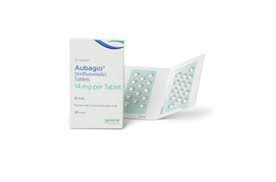
Teriflunomide (Teriflunomide) is administered by the oral route. During treatment with this drug, patients need to pay attention to hepatotoxicity, embryotoxicity, bone marrow effects/possibility of immunosuppression/infection, allergic reactions, skin reactions, drug reactions with eosinophilia and systemic symptoms, peripheral neuropathy and other problems.
1. Hepatotoxicity: Patients treated with teriflunomide after marketing have developed clinically significant and potentially life-threatening liver injury, including acute liver failure requiring transplantation. Patients with preexisting liver disease and patients taking other hepatotoxic drugs may be at increased risk of liver injury while taking teriflunomide. Clinically significant hepatic injury may occur at any time during teriflunomide treatment. Especially in patients with symptoms of abnormal liver function, such as unexplained nausea, vomiting, abdominal pain, fatigue, anorexia or jaundice and/or dark urine, teriflunomide should be discontinued.
2. Embryotoxicity: Teriflunomide taken by pregnant women may cause harm to the fetus. In animal reproduction studies in a variety of species, teriflunomide has been teratogenic and embryolethal at plasma exposures similar to or below the maximum recommended human dose of 14 mg/day. Before initiating treatment with teriflunomide in females of reproductive potential, exclude pregnancy.
3. Procedure for accelerated elimination of teriflunomide: Teriflunomide is slowly eliminated from plasma. Without an accelerated elimination procedure, it would take an average of 8 months to reach a plasma concentration below 0.02 mg/L, although due to individual differences in drug clearance, it may take up to 2 years. Accelerated elimination procedures may be used at any time after discontinuation of teriflunomide. If a patient responds to teriflunomide treatment, use of an accelerated elimination procedure may result in disease recurrence.
4. Bone marrow effects/Potential for immunosuppression/Infection: Patients with acute or chronic active infection should not start treatment until the infection has resolved. If a patient develops a serious infection, consider withholding teriflunomide therapy and using an accelerated elimination protocol. Teriflunomide is not recommended in patients with severe immunodeficiency, bone marrow disease, or severe, uncontrolled infection. The use of certain immunosuppressive drugs is associated with an increased risk of malignancy, particularly lymphoproliferative disorders. Teriflunomide may cause immunosuppression.
5. Anaphylaxis: Teriflunomide can cause allergic reactions and severe allergic reactions. Signs and symptoms include difficulty breathing, urticaria, and angioedema, including in the lips, eyes, throat, and tongue.
6. Severe skin reactions: Including Stevens-Johnson syndrome (SJS), toxic epidermal necrolysis (TEN), and drug reactions accompanied by eosinophilia and systemic symptoms.
7. Drug reactions associated with eosinophilia and systemic symptoms: Also known as multi-organ hypersensitivity reactions, patients should discontinue teriflunomide unless an alternative cause of the signs or symptoms is identified and accelerated elimination procedures are immediately initiated, in which case the patient should not be exposed to teriflunomide again.
8. Peripheral neuropathy: Age over 60 years, combined with neurotoxic drugs and diabetes may increase the risk of peripheral neuropathy. If a patient taking teriflunomide develops symptoms consistent with peripheral neuropathy, such as bilateral numbness or tingling in the hands or feet, consider discontinuing teriflunomide therapy and performing an accelerated elimination procedure.
[ 免责声明 ] 本页面内容来自公开渠道(如FDA官网、Drugs官网、原研药厂官网等),仅供持有医疗专业资质的人员用于医学药学研究参考,不构成任何治疗建议或药品推荐。所涉药品可能未在中国大陆获批上市,不适用于中国境内销售和使用。如需治疗,请咨询正规医疗机构。本站不提供药品销售或代购服务。


