
.jpeg)
The Difference Between Baricitinib and Tofacitinib
Baricitinib (Baricitinib) and tofacitinib (Tofacitinib) are drugs used to treat rheumatoid arthritis and other autoimmune diseases. They are Janus kinase inhibitors (JAK inhibitors). Although they have some similarities in their mechanisms of action and clinical applications, they have some differences in pharmacology, safety, and efficacy. The differences between baricitinib and tofacitinib are detailed below.
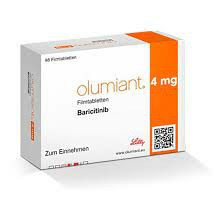
1.Pharmacology: Baricitinib: Baricitinib is a highly selective JAK1 and JAK2 inhibitor. By inhibiting these two kinases, baricitinib interferes with inflammatory signaling pathways and reduces immune cell activity. It reduces the inflammatory response by reducing the production of pro-inflammatory cytokines such as tumor necrosis factor and interleukins.
Tofacitinib: Tofacitinib is also a JAK inhibitor, but unlike baricitinib, it is selective for JAK1 and JAK3. By inhibiting JAK1 and JAK3, tofacitinib blocks cytokine signaling and reduces immune cell activity and inflammatory responses.
2.Clinical Use: Baricitinib: Baricitinib is approved for the treatment of moderately to severely active rheumatoid arthritis in adults and is also approved in some countries for the treatment of other autoimmune diseases such as rheumatoid arthritis. It can be used as a single agent or in combination with traditional disease-modifying antirheumatic drugs such as methotrexate (methotrexate).
Tofacitinib: Tofacitinib is also approved for the treatment of moderately to severely active rheumatoid arthritis in adults, as well as other autoimmune diseases such as rheumatoid arthritis. It can be used as a single agent or in combination with other nonbiologic agents (such as methotrexate), especially in patients who have failed to respond to or cannot tolerate other treatment options.
3.Safety: Baricitinib: Common side effects of baricitinib include respiratory infections, headache, high blood pressure, skin infections, and nausea. Serious side effects may include infections due to immunosuppression, deep vein thrombosis, and pulmonary embolism. In addition, baricitinib use has been associated with an increased risk of some cardiovascular events.
Tofacitinib: Common side effects of tofacitinib include respiratory infection, headache, high blood pressure, gastrointestinal symptoms, and rash. Similar to baricitinib, tofacitinib use may also result in immunosuppression and an increased risk of associated infections. In addition, tofacitinib use has been associated with an increased risk of dyslipidemia, elevated blood glucose, and cardiovascular events.
4.Efficacy: Baricitinib: Baricitinib has shown an improvement effect on moderately to severely active rheumatoid arthritis in multiple clinical trials and has the ability to improve arthritis symptoms, reduce joint destruction and improve quality of life.
Tofacitinib: Tofacitinib has also been shown in clinical trials to improve moderately to severely active rheumatoid arthritis, including reducing arthritis symptoms, improving physical function and reducing the risk of joint damage.
To summarize, both baricitinib and tofacitinib areJAK inhibitors used to treat rheumatoid arthritis and other autoimmune diseases. There are some differences between them in terms of pharmacology, clinical application, safety and efficacy. The choice of which drug to use should be made by the physician based on the patient's specific circumstances and needs. Before using any medication, patients should fully discuss it with their doctor and follow their doctor's guidance and monitoring.
[ 免责声明 ] 本页面内容来自公开渠道(如FDA官网、Drugs官网、原研药厂官网等),仅供持有医疗专业资质的人员用于医学药学研究参考,不构成任何治疗建议或药品推荐。所涉药品可能未在中国大陆获批上市,不适用于中国境内销售和使用。如需治疗,请咨询正规医疗机构。本站不提供药品销售或代购服务。


