
.jpeg)
Does cobimetinib have serious side effects? Adverse reaction incidence and countermeasures
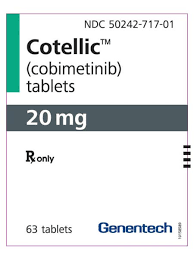
Cobimetinib is an oral, selective MEK inhibitor that is commonly used in combination with BRAF inhibitors to treat patients with advanced melanoma or other specific tumors with BRAF V600 mutations. As a targeted drug, cobimetinib has shown good clinical efficacy, but its side effects and adverse reactions are also the focus of clinical attention. Understanding its common adverse reactions, incidence rates and countermeasures is crucial to patients' safe medication use and maintenance of efficacy.
Clinical studies have shown that common side effects of cobimetinib include rash, diarrhea, nausea, fatigue, visual impairment, and prolongation of the electrocardiogramQT interval. Among them, the incidence of rash is relatively high, with about 30% to 40% of patients experiencing varying degrees of rash, usually manifesting as mild to moderate erythema, itching or papules; the incidence of severe rash is lower, but attention is still required to deal with it in a timely manner. Diarrhea and nausea account for about 20% to 30% of patients respectively, and can usually be controlled through dietary adjustments and antidiarrheal or antiemetic drugs. Fatigue is also one of the common side effects, usually manifesting as mild weakness, which can be relieved by rest and moderate exercise.
In cardiovascular and ophthalmology, cobimetinib may cause QT interval prolongation and retinal problems such as central serous retinopathy (CSR). QTAlthough prolongation of QT occurs rarely, once it occurs, it may lead to serious arrhythmia. Therefore, patients need to conduct a baseline electrocardiogram before taking the drug and regularly review the electrocardiogram during treatment. Abnormal vision usually manifests as blurred vision or decreased vision. If these symptoms occur, the drug should be discontinued or the dose should be adjusted immediately, and examination and treatment should be conducted under the guidance of an ophthalmologist.
Abnormal liver function is also one of the potential risks of cobimetinib. Some patients may experience elevated levels of ALT, AST or total bilirubin during long-term medication, especially patients with underlying liver disease who are more susceptible. Therefore, it is clinically recommended to regularly monitor liver function before treatment and during medication. Once significant abnormalities are found, dose reduction or temporary discontinuation of medication should be considered, and corresponding liver protection measures should be taken.
To deal with these adverse reactions, individualized dose adjustment and combined symptomatic treatment strategies are usually adopted clinically. For example, topical corticosteroids or antihistamines can be used if rash occurs; antidiarrheal and antiemetic drugs can be used for diarrhea and nausea; medications should be discontinued and an eye examination should be performed when vision problems occur; if the QT interval is prolonged, medications should be discontinued and the cardiovascular medication regimen should be adjusted. In addition, doctors will flexibly adjust the dose of cobimetinib according to the patient's constitution, underlying diseases, and combined medication to take into account both efficacy and safety.
The adverse reactions of long-term use of cobimetinib are generally controllable, but patients need to self-monitor physical changes, especially cardiovascular, liver function and eye symptoms. Once severe discomfort occurs, you should seek medical treatment promptly and adjust the dosage according to the physician's guidance. Patients and their families should pay attention to a balanced diet, adequate rest, and avoid liver damage factors, such as alcohol and certain drugs, in daily life to reduce the risk of side effects.
In addition, when combined with BRAF inhibitors, the type and incidence of side effects may change, but the overall situation can be effectively controlled through standardized monitoring and timely treatment. Clinical data show that through systematic monitoring and early intervention, the vast majority of patients can tolerate cobimetinib treatment and maintain good efficacy and quality of life.
In summary, although the side effects of cobimetinib are relatively common, most are mild to moderate, and the incidence of serious adverse reactions is low. Through reasonable dose management, regular laboratory and imaging monitoring, and symptomatic treatment measures, patients can receive long-term treatment while ensuring safety, maximizing targeted efficacy while reducing risks and the impact of adverse events on quality of life.
Keyword tags: cobimetinib, side effects, MEKinhibitors, melanoma, adverse reaction management, rash, diarrhea, visual impairment, abnormal liver function.
References:https://www.cancer.gov/publications/dictionaries/cancer-drug/def/cobimetinib
[ 免责声明 ] 本页面内容来自公开渠道(如FDA官网、Drugs官网、原研药厂官网等),仅供持有医疗专业资质的人员用于医学药学研究参考,不构成任何治疗建议或药品推荐。所涉药品可能未在中国大陆获批上市,不适用于中国境内销售和使用。如需治疗,请咨询正规医疗机构。本站不提供药品销售或代购服务。


