
.jpeg)
Comprehensive introduction and clinical application guidelines for Crizotinib (Xalkori)
Crizotinib is a targeted tyrosine kinase inhibitor mainly used to treat patients with ALK positive or ROS1 positive non-small cell lung cancer. It exerts anti-tumor effects by inhibiting abnormal tyrosine kinase signaling pathways and preventing cancer cell proliferation and spread. Crizotinib has shown a high tumor response rate and prolonged progression-free survival in clinical trials, making it one of the important treatment options for patients with specific molecular marker-positive lung cancer.
In clinical application, crizotinib is mainly suitable for patients with advanced or metastatic non-small cell lung cancer who have poor response to traditional chemotherapy, especially ALK or ROS1 positive patients. Doctors usually use molecular test results to determine whether crizotinib is appropriate. During the course of medication, patients need to undergo regular imaging examinations and laboratory tests to evaluate treatment response and monitor possible side effects, such as liver function abnormalities, cardiac arrhythmias, and visual impairments.
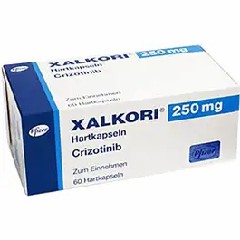
Crizotinib is usually taken orally, twice daily, and the dose needs to be adjusted based on the patient's weight, liver and kidney function, and tolerance. Patients should follow the doctor's guidance while taking the medication and avoid increasing or decreasing the dosage or stopping the medication on their own to ensure the efficacy and safety of the medication. At the same time, you should avoid concurrent use with drugs that may affect drug metabolism, and pay attention to diet and lifestyle management to reduce the occurrence of adverse reactions.
Overall, crizotinib, as a targeted therapy, has significant efficacy in specific patients with non-small cell lung cancer. Clinical application guidelines emphasize the importance of molecular marker detection, as well as the need for individualized medication, regular monitoring, and side effect management. When using crizotinib, patients should strictly follow medical instructions to ensure treatment safety, and cooperate with follow-up and testing to obtain the best clinical efficacy and improvement in quality of life.
Reference materials:https://pubmed.ncbi.nlm.nih.gov/24756793/
[ 免责声明 ] 本页面内容来自公开渠道(如FDA官网、Drugs官网、原研药厂官网等),仅供持有医疗专业资质的人员用于医学药学研究参考,不构成任何治疗建议或药品推荐。所涉药品可能未在中国大陆获批上市,不适用于中国境内销售和使用。如需治疗,请咨询正规医疗机构。本站不提供药品销售或代购服务。


