
.jpeg)
Four major contraindications for taking Febuxostat/Febuxostat
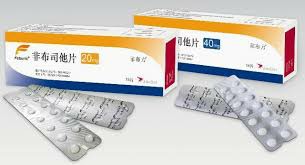
Febuxostat (Febuxostat) is a drug commonly used to treat hyperuricemia, especially in the treatment of gout. However, despite its effectiveness, there are some risks and contraindications when using this drug. Understanding these contraindications can help patients and doctors better manage the treatment process and avoid serious side effects and complications.
1. Risk of cardiovascular death
Febuxostat has shown significant efficacy in the treatment of hyperuricemia and gout, but when it comes to cardiovascular health, special caution is needed when using this drug. A clinical study showed that febuxostat did not show a clear advantage over allopurinol (another commonly used urate-lowering drug) in the incidence of cardiovascular death in patients, and in some cases, cardiovascular mortality was higher in the febuxostat group. This study suggests that febuxostat may be associated with the occurrence of cardiovascular events, particularly in patients with pre-existing cardiovascular disease.
Therefore, physicians need to weigh the risks and benefits of the drug when prescribing or continuing febuxostat, particularly in patients with a history of cardiovascular disease. Patients with known cardiovascular problems, particularly coronary artery disease or a history of heart disease, should use febuxostat with particular caution and may need to choose alternative treatment options or undergo rigorous cardiovascular monitoring.
2. Increase in gout attacks
Febuxostat is a drug that inhibits uric acid synthesis and is commonly used to treat hyperuricemia, especially gout. However, early in treatment, many patients experience acute attacks of gout. This is because when the medication begins to lower uric acid levels in the blood, accumulated urate crystals in the body may be released into the joints, triggering a gout attack.
For patients taking febuxostat, discontinuation of the drug is usually not necessary if a gout attack occurs. In fact, continuing febuxostat along with appropriate acute gout treatment (such as nonsteroidal anti-inflammatory drugs (NSAIDs) or colchicine) can help reduce symptoms. The best strategy for treatment is to use these medications prophylactically to control symptoms and prevent gout attacks from occurring. Typically, patients experience increased pain and discomfort during the first 6 months of taking febuxostat, but these symptoms usually resolve with continued treatment.
Therefore, although gout attacks may increase early in treatment, febuxostat should not be discontinued but should be combined with acute treatment to relieve uncomfortable symptoms.
3. Risk of liver damage
Febuxostat may cause adverse hepatic reactions in some patients. Post-marketing reports indicate that some patients developed abnormal liver function while taking febuxostat, which in some cases even resulted in fatal liver damage. This side effect may be related to the metabolic process of the drug, but a causal relationship cannot be completely ruled out at this time.
When using febuxostat, especially in patients with abnormal liver function, special attention needs to be paid to regular monitoring of liver function. If the patient shows signs of abnormal liver function during treatment (such as jaundice, elevated transaminases, etc.), the drug should be discontinued immediately and the cause of liver damage should be further evaluated. If drug-induced liver injury is confirmed and no other clear cause can be found, restarting febuxostat should be avoided. Timely discontinuation of medication and taking targeted treatment measures are key to preventing further progression of liver damage.
4. Severe skin reactions
During the use of febuxostat, some patients may experience severe skin allergic reactions. Includes Stevens-Johnson syndrome (SJS), drug reaction with eosinophilia and systemic symptoms (DRESS), and toxic epidermal necrolysis (TEN). Severe cases of these skin reactions may lead to large areas of skin loss and may even be life-threatening.
Therefore, if the patient develops any severe skin reaction or allergic symptoms (such as skin redness, swelling, blisters, peeling, general discomfort, etc.) while using febuxostat, he should stop using the drug immediately and seek medical treatment in time. Such reactions require further medical evaluation to confirm and appropriate treatment. Skin reactions are rare side effects of febuxostat, but if they occur, improper handling may lead to serious consequences.
Febuxostat is an effective urate-lowering drug widely used in the treatment of hyperuricemia and gout. However, patients need to pay special attention to contraindications such as cardiovascular risk, liver function, acute gout attacks, and skin allergies when using this drug. Doctors should comprehensively evaluate the risks and benefits of drugs based on the patient's specific situation, and adjust the treatment plan when necessary to ensure patient safety and therapeutic effects.
Reference materials:https://dailymed.nlm.nih.gov/dailymed/drugInfo.cfm?setid=54de10ef-fe5f-4930-b91d-6bbb04c664bd
[ 免责声明 ] 本页面内容来自公开渠道(如FDA官网、Drugs官网、原研药厂官网等),仅供持有医疗专业资质的人员用于医学药学研究参考,不构成任何治疗建议或药品推荐。所涉药品可能未在中国大陆获批上市,不适用于中国境内销售和使用。如需治疗,请咨询正规医疗机构。本站不提供药品销售或代购服务。


