
.jpeg)
Why is Guanfacine not recommended to be taken casually and its possible risks
Guanfacine hydrochloride (Guanfacine) is an alpha2 adrenergic receptor agonist commonly used to treat attention deficit hyperactivity disorder (ADHD) in children and adolescents and to manage hypertension in adults. Clinically, guanfacine reduces sympathetic nerve activity by activating α2 receptors in the central nervous system, thereby improving attention deficit, hyperactivity and impulsive behaviors, and at the same time plays a hypotensive effect in patients with hypertension. However, despite its clear efficacy, guanfacine hydrochloride is not suitable for everyone to take casually. It involves certain risks and needs to be used under the guidance of a professional doctor.
First, inappropriate use of guanfacine hydrochloride may cause a significant drop in blood pressure or abnormal heart rate. Since its pharmacological mechanism involves central sympathetic nervous system suppression, overdose or taking without medical advice may cause hypotension, dizziness, bradycardia, and even the risk of syncope or falls. Fluctuations in blood pressure and heart rate may be more pronounced, especially in children, the elderly, or those with underlying medical conditions. If patients are concurrently taking other antihypertensive drugs or cardiovascularly active drugs, additive effects may occur, exacerbating hypotension or abnormal heart rate.
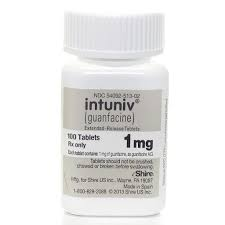
Secondly, indiscriminate use of guanfacine hydrochloride may also cause adverse reactions to the central nervous system, such as drowsiness, fatigue, decreased concentration, headache and mood swings. If pediatric patients adjust the dosage or frequency without the guidance of a doctor, it may affect learning, daily life and behavioral performance, and even aggravate symptoms such as hyperactivity or inattention. In adults, inappropriate use may also result in abnormal mental status or impaired cognitive function. Therefore, taking it strictly in accordance with the doctor's prescription and dosage regimen is an important prerequisite to avoid adverse reactions to the central nervous system.
In addition, the long-term safety of guanfacine hydrochloride also needs to be monitored under professional guidance. Some patients may experience weight changes, gastrointestinal reactions, blood pressure fluctuations and electrocardiogram abnormalities during use, and require regular follow-up and laboratory examinations. For patients with abnormal liver and kidney function, heart disease, or previous history of hypotension, it is necessary to use it with caution and conduct a comprehensive evaluation before treatment. Adjusting the dosage on your own, stopping the medication, or using drugs from informal sources at will may lead to insufficient drug efficacy or increase the risk of adverse reactions.
In general, although guanfacine hydrochloride has clear efficacy in the treatment of ADHD and hypertension, it is not recommended to be taken casually. Patients need to take medication under the guidance of a doctor in strict accordance with the dosage and medication time, and regularly monitor blood pressure, heart rate, mental status and related laboratory indicators. Parents and caregivers should observe the behavior and physical reactions of children during use and provide timely feedback to the doctor. Following standardized medication and regular review is the key to ensuring that guanfacine hydrochloride works safely and effectively, and is also a guarantee to avoid potential risks and serious adverse events.
Reference materials:https://en.wikipedia.org/wiki/Guanfacine
[ 免责声明 ] 本页面内容来自公开渠道(如FDA官网、Drugs官网、原研药厂官网等),仅供持有医疗专业资质的人员用于医学药学研究参考,不构成任何治疗建议或药品推荐。所涉药品可能未在中国大陆获批上市,不适用于中国境内销售和使用。如需治疗,请咨询正规医疗机构。本站不提供药品销售或代购服务。


