
.jpeg)
Description of possible interactions between aprocitentan and other commonly used medications
Aprocitentan is a new oral antihypertensive drug that mainly exerts antihypertensive effects by antagonizing endothelin receptors. In clinical use, patients often take multiple medications for chronic diseases, so it is important to understand the interactions between aprecitentan and other medications. Drug interactions may affect efficacy or increase the risk of adverse reactions, especially when diuretics, ACE inhibitors, or calcium channel blockers are used concomitantly. Special attention should be paid to changes in blood pressure and electrolyte levels.
First, aprecitentan may enhance the antihypertensive effect when used concomitantly with diuretics, resulting in hypotension. During the initial period of combined medication, patients should monitor their blood pressure and blood volume status and adjust the dose if necessary. At the same time, diuretics may affect blood potassium levels, and the use of aprecitentan may also change body fluid and electrolyte balance. Regular testing of blood potassium and kidney function is required to avoid the risk of hypokalemia or hyperkalemia.
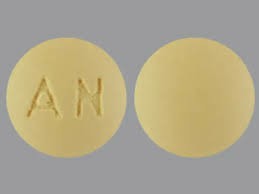
Secondly, concomitant use with ACE inhibitors or angiotensin II receptor antagonists (ARB) may increase the risk of hypotension, impaired renal function, or hyperkalemia. Patients should strictly monitor changes in renal function indicators and blood pressure during combined medication. Doctors may adjust the dose of aprecitentan or other medications based on a patient's blood pressure and kidney function to ensure treatment is safe and effective.
In addition, aprecitentan may interact with certain drugs related to CYP3A4 metabolism. Strong CYP3A4inhibitors such as certain antifungals, antibiotics or antiviral drugs may increase the blood concentration of aprecitentan, enhance drug effects and risk of adverse reactions; conversely, CYP3A4 inducers may reduce its efficacy. Clinically, attention should be paid to the safety of combined use of drugs, and the dosage should be adjusted or blood drug levels should be monitored if necessary to ensure the antihypertensive effect and drug safety.
Reference materials:https://pubmed.ncbi.nlm.nih.gov/40853274/
[ 免责声明 ] 本页面内容来自公开渠道(如FDA官网、Drugs官网、原研药厂官网等),仅供持有医疗专业资质的人员用于医学药学研究参考,不构成任何治疗建议或药品推荐。所涉药品可能未在中国大陆获批上市,不适用于中国境内销售和使用。如需治疗,请咨询正规医疗机构。本站不提供药品销售或代购服务。


