
.jpeg)
Crizotinib (Xalkori) complete instructions and contraindications for use
Crizotinib is an oral small molecule tyrosine kinase inhibitor, mainly used to treat patients with anaplastic lymphoma kinase (ALK)-positive or ROS1-positive non-small cell lung cancer (NSCLC). Its main mechanism of action is to inhibit the tyrosine kinase activity of targets such as ALK, ROS1 and MET, thereby blocking the signal transduction pathway of tumor cells, inhibiting the proliferation of tumor cells and inducing apoptosis. In clinical application, crizotinib is usually used for patients with advanced or metastatic NSCLC, especially for patients with ALK gene rearrangement or ROS1 positive, showing significant efficacy.
The standard dose of crizotinib is usually 250 mg orally twice daily for adults. It is recommended to take it on an empty stomach or within 2 hours after a meal. Swallow the tablet whole and do not chew or crush it. During treatment, the dose needs to be adjusted according to the patient's tolerance. For patients with hepatic impairment, it should be used with caution and the dose adjusted if necessary; use should be avoided in patients with severe hepatic impairment. Patients with renal insufficiency also need to pay attention to monitoring blood drug concentrations and side effects when using it to reduce the risk of adverse reactions.
In terms of adverse reactions, crizotinib may cause various degrees of side effects, including gastrointestinal reactions such as nausea, vomiting, diarrhea, constipation and loss of appetite; at the same time, liver function abnormalities, such as elevated transaminases, may occur, and liver function indicators should be monitored regularly. Hematologically, patients may have lymphopenia, leukopenia, or thrombocytopenia. In terms of cardiovascular disease, some patients may experience prolonged QT interval, arrhythmia or heart failure, and should undergo electrocardiogram monitoring. Other common adverse reactions include blurred vision, swelling, fatigue and muscle pain. If serious side effects occur, the medication should be stopped immediately and treated under the guidance of a doctor.
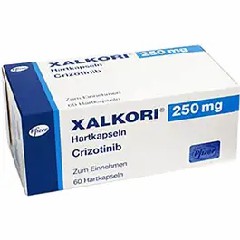
The contraindications and precautions of crizotinib mainly include the following aspects. First, it is prohibited to be used by patients who are allergic to crizotinib or its excipients. Secondly, pregnant and lactating women should avoid using this drug because animal experiments show that crizotinib may cause damage to the fetus, and use of the drug during lactation may affect the health of the baby. Patients with cardiovascular disease should have their cardiac function evaluated before use, especially those at risk for QT prolongation or arrhythmias. Patients should avoid concurrent use of drugs that may prolong the QT interval while taking the drug to reduce cardiac risk. For patients with liver and kidney dysfunction, elderly patients, or patients with multiple underlying diseases, blood routine, liver and kidney function, and electrocardiogram should be strictly monitored under the guidance of a doctor to ensure safe medication.
In addition, patients should pay attention to lifestyle management during medication to assist in the therapeutic effect and reduce the incidence of adverse reactions. For example, maintaining a regular sleep schedule, maintaining a good diet, exercising moderately, and avoiding overexertion can all help increase treatment tolerance. In terms of drug storage, crizotinib should be placed in a dry, cool place, away from moisture and high temperatures, and away from the reach of children. If patients experience symptoms such as persistent nausea, vomiting, severe diarrhea, abnormal liver function, or obvious arrhythmia while taking the medication, they should contact their doctor in time and adjust the dose or discontinue the medication if necessary to ensure the safety and effectiveness of the treatment.
In general, crizotinib, as a targeted therapy for ALK or ROS1positiveNSCLC, has good anti-tumor activity and significant clinical efficacy, but its use requires strict compliance with medical instructions and attention to dosage, medication intervals and monitoring indicators. Through standardized medication and regular follow-up, the risk of adverse reactions can be minimized and the patient's treatment safety and quality of life can be improved. In clinical application, doctors should formulate individualized treatment plans based on the patient's specific conditions and provide adequate follow-up and guidance throughout the treatment process to ensure treatment effects and medication safety.
Reference materials:https://pubmed.ncbi.nlm.nih.gov/24756793/
[ 免责声明 ] 本页面内容来自公开渠道(如FDA官网、Drugs官网、原研药厂官网等),仅供持有医疗专业资质的人员用于医学药学研究参考,不构成任何治疗建议或药品推荐。所涉药品可能未在中国大陆获批上市,不适用于中国境内销售和使用。如需治疗,请咨询正规医疗机构。本站不提供药品销售或代购服务。


