
.jpeg)
Detailed explanation of the mechanism of action and main effects of tilpotide/tilsiparatide (Mufenda)
Tirzepatide is a new type of dual receptor agonist that achieves multiple metabolic regulation by acting simultaneously on the glucose-dependent insulin-releasing peptide (GIP) receptor and the glucagon-like peptide (GLP-1) receptor. This dual mechanism allows tisiparatide to not only enhance insulin secretion and inhibit glucose elevation, but also delay gastric emptying and reduce appetite, thus playing an important role in blood sugar management and weight control. Compared with traditional single GLP-1 receptor agonists, tilsiparatide showed greater efficacy in improving blood glucose and reducing weight.
In terms of blood sugar control, tisiparatide improves the response of pancreatic beta cells to postprandial blood sugar through the synergistic effect of GIP and GLP-1 dual receptors, while reducing fasting blood sugar levels. This mechanism can not only improve insulin resistance, but also reduce glycated hemoglobin (HbA1c) levels, thereby providing sustained and stable blood sugar management for patients with type 2 diabetes. In addition, dual receptor agonism can also reduce insulin dosage, reduce the risk of hypoglycemia, and improve patient treatment compliance.
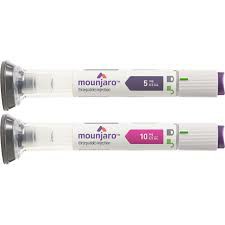
In terms of weight management and metabolic improvement, tilsiparatide suppresses appetite by acting on the satiety center of the central nervous system while delaying gastric emptying, allowing patients to feel full while reducing intake. This mechanism of action helps to significantly reduce body weight and improve obesity-related metabolic risks, such as dyslipidemia, insulin resistance and hypertension. Clinical studies have shown that long-term use of tisiparatide can achieve considerable weight loss while controlling blood sugar and improving overall metabolic health.
In addition, tilsiparatide has shown potential advantages in cardiovascular protection. By improving blood sugar and body weight while positively regulating blood pressure and blood lipids, it may reduce the risk of cardiovascular events. This makes tilsiparatide not only a new option for diabetes treatment, but also provides a comprehensive management solution for patients with obesity and metabolic syndrome. During use, patients should strictly follow medical instructions, pay attention to potential side effects such as nausea, vomiting and gastrointestinal discomfort, and make dose adjustments under the guidance of a doctor to ensure efficacy and safety.
Reference materials:https://www.ncbi.nlm.nih.gov/books/NBK585056/
[ 免责声明 ] 本页面内容来自公开渠道(如FDA官网、Drugs官网、原研药厂官网等),仅供持有医疗专业资质的人员用于医学药学研究参考,不构成任何治疗建议或药品推荐。所涉药品可能未在中国大陆获批上市,不适用于中国境内销售和使用。如需治疗,请咨询正规医疗机构。本站不提供药品销售或代购服务。


