
.jpeg)
Guide to handling allergic reactions to aprocitentan and emergency measures
Aprocitentan is a drug used to treat high blood pressure. Some patients may experience allergic reactions during use. Symptoms of an allergic reaction usually include rash, itching, erythema, swelling of the face or hands and feet, and in severe cases, difficulty breathing, laryngeal edema, or a sharp drop in blood pressure. If any suspected allergic symptoms occur, patients should stop taking the medication immediately and seek medical help in a timely manner. Mild allergic symptoms can be relieved with oral antihistamines or topical ointments, but they must be used under the guidance of a doctor to avoid self-treatment that may aggravate the condition.
For moderate to severe allergic reactions, such as difficulty breathing or laryngeal edema, call emergency services immediately. Medical institutions usually administer intravenous epinephrine, oxygen support, and necessary blood pressure maintenance treatment. At the same time, anti-allergic drugs such as hydrocortisone or promethazine should be prepared to control the inflammatory response and prevent symptoms from worsening. The patient should remain in a supine position during the first aid process and monitor changes in vital signs to ensure stable cardiopulmonary function.
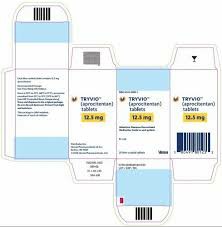
In daily medication management, patients should pay attention to their own allergic history, especially those who are allergic to drug ingredients. They should inform their doctor and conduct a small dose trial before using aprecitentan for the first time. If there is a known allergy to a similar drug, caution should be used or an alternative drug should be chosen. At the same time, patients should carry allergy first aid drugs, such as epinephrine self-injection pens, and learn how to use them correctly to protect themselves in emergencies.
In addition, when prescribing aprecitentan, doctors should carefully assess the patient's physical condition and allergic risk, formulate an individualized medication plan, and arrange follow-up observations. Once mild allergic symptoms are discovered, the dose should be adjusted or the drug should be changed in time to prevent the symptoms from developing into a severe allergic reaction. Through reasonable medication management and emergency measures, the risk of allergies can be reduced to the greatest extent and the patient's medication safety and therapeutic effect can be guaranteed.
Reference materials:https://www.accessdata.fda.gov/drugsatfda_docs/label/2024/217686s000lbl.pdf
[ 免责声明 ] 本页面内容来自公开渠道(如FDA官网、Drugs官网、原研药厂官网等),仅供持有医疗专业资质的人员用于医学药学研究参考,不构成任何治疗建议或药品推荐。所涉药品可能未在中国大陆获批上市,不适用于中国境内销售和使用。如需治疗,请咨询正规医疗机构。本站不提供药品销售或代购服务。


