
.jpeg)
A complete guide to the treatment of kidney cancer with Axitinib: efficacy data, medication specifications and safety monitoring
In recent years, targeted drugs and immunotherapy have been constantly popular."Which targeted drug is more suitable for patients with kidney cancer/thyroid cancer/ metastatic solid tumors?" has become the hottest topic among patients. Axitinib (Axitinib) plays an important role in the clinical management of advanced renal cell carcinoma (RCC) and several solid tumors due to its highly selective inhibitory effect on VEGFR (vascular endothelial growth factor receptor). After China has recently included it in medical insurance and expanded its accessibility, issues such as "how effective it is", "how much patients will pay out of pocket after medical insurance" and "whether it is feasible to purchase it overseas" have once again become hot topics of discussion.
1. What is axitinib? Indications are clear at a glance
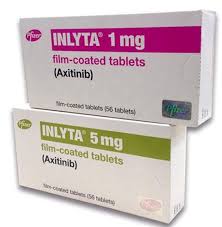
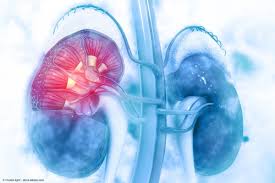
Axitinib is an oral small molecule tyrosine kinase inhibitor (TKI) that potently inhibits VEGFR-1/2/3, thereby inhibiting tumor angiogenesis, reducing tumor blood supply and inhibiting metastasis. Clinically, it is mainly used for: advanced /metastatic renal cell carcinoma (RCC): second-line or later-line treatment (especially as an alternative when the disease progresses after previous first-line therapy).
2. What is the efficacy? Evidence-based evidence and real-world data
1. Key clinical trial points
Axitinib has been shown in multiple II/Phase III trials to prolong progression-free survival (PFS) and improve the objective response rate (ORR) in some patients.
Compared with traditional targeted drugs or chemotherapy alone, axitinib is often used in second-line or tandem regimens with immunotherapy and other targeted drugs, showing advantages in disease control and symptom relief.
2.Real world observation
In clinical use, many patients experience symptom relief (reduction in physical strength, cachexia, and pain) within weeks to months, and some patients achieve long-term disease control. Efficacy is affected by baseline tumor burden, prior treatments, comorbidities, and tolerability.
3. Medication Guide: Who can use it? How to use it? How long does it take?
1.Adapt to the crowd (common clinical indications)
Patients with advanced or metastatic renal cell carcinoma diagnosed by pathology/imaging, who have progressed on or after first-line or after first-line, and who are deemed suitable to use VEGFR inhibitors according to the doctor's assessment;
For other tumors (thyroid cancer, etc.), use must be supported by expert evaluation or clinical trial/ guidelines.
2.Recommended dosage regimen (common prescription reference)
Regular adult dosage: A common starting dose is 5 mg twice daily. Individualized adjustment: If it is well tolerated and has no obvious toxicity, the dose can be gradually increased under the guidance of a doctor; if moderate or severe adverse reactions occur, the dose needs to be reduced or suspended.
Dosage method: Take orally, swallow the whole tablet; follow the instructions in relation to food, and try to take the medicine at the same time to maintain stable blood concentration.
Length of treatment course: usually"Continuous administration until disease progression or intolerable toxicity occurs." There is no fixed endpoint for the treatment course, and efficacy and safety need to be dynamically evaluated.
3.Concomitant treatment and monitoring
Routine monitoring: blood pressure, urine protein, liver and kidney function, blood routine, blood sugar and blood lipids (some patients will experience metabolic changes); imaging (CT/MRI) evaluates the efficacy on a periodic basis.
Combined medication precautions: Avoid coadministration with strong CYP3A4 inducers / inhibitors, and evaluate drug interactions (certain antiepileptic drugs, antifungals, some antibiotics, etc.).
People with special medical histories (such as cardiovascular disease, severe liver and kidney insufficiency) need to use the drug with caution and adjust the dosage under specialist guidance.
4. Adverse reactions and management——The issues that patients are most concerned about
1.Common adverse reactions
Hypertension (needs to be monitored and timely use of antihypertensive drugs);
Gastrointestinal reactions: decreased appetite, nausea, diarrhea;
Skin reactions: Hand-foot syndrome or rash;
Fatigue/Fatigue, thyroid function fluctuation;
Proteinuria or elevated liver enzymes (requires regular testing).
2.Serious adverse reactions
A small number of patients may experience serious cardiovascular events or worsening of renal function and require immediate medical attention.
3.Management strategies (practical suggestions)
Active monitoring: self-measure blood pressure, and seek medical advice promptly if it continues to be higher than the target value;
Symptomatic treatment: mild nausea/Diarrhea can be treated with symptomatic drugs and diet adjustment;
Dose adjustment: Reduce or pause based on blood picture/Liver and kidney/symptoms; after recovery, gradually resume under the guidance of a doctor;
Co-management: Work with a cardiovascular/endocrinology specialist to manage high blood pressure or thyroid problems.
Warm reminder: If you find fever, shortness of breath, severe diarrhea or progressive weakness, you should contact your attending doctor or go to the hospital immediately.
5. Price and accessibility —— Domestic products have been included in medical insurance, and overseas imitations are more affordable
1.Domestic market and medical insurance
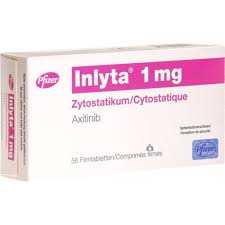
It has been launched in China and is covered by medical insurance, and patients can buy it at domestic hospital pharmacies. The price of the domestically imported original drug is about more than 4,000 yuan (single box), which is subject to local pharmacies. After medical insurance reimbursement, the patient's out-of-pocket portion may be significantly lower according to regional policies.
Suggestions before purchasing: Go to the hospital pharmacy or hospital medical insurance window to consult the local reimbursement ratio and payment process in order to calculate the out-of-pocket amount and arrange a medication plan.
2.Overseas generic drugs and purchasing channels
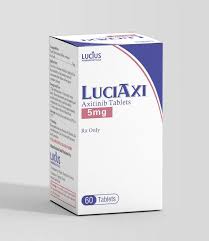
Foreign generic drugs (Indian version, Laos version, etc.) are cheaper, ranging from a few hundred yuan to a thousand yuan, and their ingredients are basically the same as the original drugs.
If you consider purchasing overseas: Be sure to go through formal channels (hospital cooperation, compliant cross-border e-commerce or qualified drug import platforms), and confirm equivalence and usage differences with the attending physician before use. Avoid informal private purchasing or medicines from unknown sources, as the quality and safety cannot be guaranteed.
3.How to choose
If axitinib can be obtained through medical insurance in China, it is usually preferred to choose domestic regular supply and go through medical insurance channels, as safety and after-sales service are guaranteed;
For long-term medication use or limited medical insurance coverage, the feasibility of legal overseas generic drugs can be evaluated under the guidance of doctors and pharmaceutical departments, and attention should be paid to filing and usage records.
6. Real patient stories and clinical experiences
(To protect privacy, the following is a comprehensive collection of anonymized patient experiences and expert comments)
Case 1 (kidney cancer, second-line medication)
Mr. Li, 65 years old, has metastatic renal cell carcinoma that has progressed after receiving targeted therapy. After being transferred to axitinib 2 months, imaging showed that the lesions shrank by 30% and physical strength and appetite improved. The main treatment is blood pressure fluctuations. After standardizing blood pressure and continuing to take medicine, the curative effect is maintained until 12 months.
Case 2 (thyroid cancer, experimental treatment)
Ms. Zhang, 58 years old, had local progression of differentiated thyroid cancer. She participated in a clinical trial and used axitinib in combination with other drugs. Her symptoms improved significantly, but she developed mild hand-foot syndrome. The symptoms were relieved after dose adjustment.
Expert comments: Individual patients vary greatly, and efficacy and tolerance are affected by multiple factors, requiring dynamic management under the guidance of a specialist team.
Seven, Summary and Suggestions
Ask your doctor first: Is axitinib right for me? (Pathology/Image/Baseline Assessment)
Priority for purchasing medicines: Domestic medical insurance+Regular hospital pharmacy.
If you use overseas channels, be sure to confirm your legal qualifications and keep your drug purchase receipt.
Regularly measure your blood pressure and record it; review your blood, liver and kidney function regularly.
Seek medical attention promptly if you feel unwell, and avoid stopping the medication on your own or increasing the dosage at will.
xa0
References:
1.Pfizer/Inlyta (Axitinib) official instructions and drug information: https://www.pfizer.com
2.NCCN Guidelines® — Kidney Cance: https://www.nccn.org
3.ESMO/ASCOReviews and guidelines on anti-angiogenic treatment:https://www.esmo.org
https://www.asco.org[ 免责声明 ] 本页面内容来自公开渠道(如FDA官网、Drugs官网、原研药厂官网等),仅供持有医疗专业资质的人员用于医学药学研究参考,不构成任何治疗建议或药品推荐。所涉药品可能未在中国大陆获批上市,不适用于中国境内销售和使用。如需治疗,请咨询正规医疗机构。本站不提供药品销售或代购服务。


