
.jpeg)
What type of drug does Tilpotide/Tilsiparatide (Mufenda) belong to and its main therapeutic effects?
Tilpotide (tilsiparatide) is a new type of metabolic drug that is a dual receptor agonist, which acts on both the glucose-dependent insulinotropic polypeptide (GIP) receptor and the glucagon-like peptide-1 (GLP-1) receptor. Through dual pathways, it can enhance insulin secretion, inhibit glucagon release, and slow down gastric emptying, thereby showing a strong comprehensive effect in controlling blood sugar and helping weight loss. This mechanism of action is an important progress in the field of weight loss and sugar control drugs, and is regarded as a representative of the next generation of incretin drugs.
In terms of clinical application, tilpotide was initially used to treat type 2 diabetes. Its main effect is to significantly reduce HbA1c levels, improve pancreatic islet function and reduce insulin resistance. A large number of studies have shown that at different doses, it can bring the blood sugar of many patients close to or even reach the normal range. At the same time, compared with traditional blood sugar control drugs, it can lower blood sugar to a greater extent and has a more stable effect. In addition, it can also provide additional therapeutic benefits for patients who are already unable to control their blood sugar using basal insulin or other oral hypoglycemic drugs.
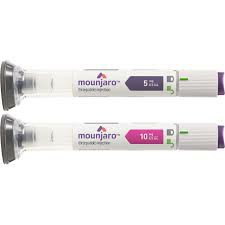
In addition to sugar control, another key role of tilpotide is weight loss. It reduces appetite, reduces energy intake and improves metabolic status, causing patients to significantly lose weight. The average weight loss can reach 10%~20%, and some high-dose regimens are even more significant. This has attracted attention in the field of weight loss medicine, especially for patients with type 2 diabetes who are accompanied by obesity. It can improve blood sugar and weight at the same time, and may also bring indirect benefits to cardiovascular risk.
In general, tilpotide is a dual incretin pathway drug and has outstanding therapeutic advantages for 2 type 2 diabetes patients and obesity-related metabolic problems. Its innovative mechanism brings stronger sugar control capabilities and weight loss effects, but it still needs to be used under the guidance of a doctor. Pay attention to common adverse reactions such as gastrointestinal discomfort, nausea, and decreased appetite, and adjust the dosage as needed to ensure efficacy and safety.
Reference materials:https://www.ncbi.nlm.nih.gov/books/NBK585056/
[ 免责声明 ] 本页面内容来自公开渠道(如FDA官网、Drugs官网、原研药厂官网等),仅供持有医疗专业资质的人员用于医学药学研究参考,不构成任何治疗建议或药品推荐。所涉药品可能未在中国大陆获批上市,不适用于中国境内销售和使用。如需治疗,请咨询正规医疗机构。本站不提供药品销售或代购服务。


