
.jpeg)
Analyze the action targets and mechanisms of mitapivat-Pyrukynd
Mitapivat-Pyrukynd is a novel pyruvate kinase (PK) activator specifically indicated for the treatment of hemolytic anemia caused by pyruvate kinase (PK) deficiency in adults. PK deficiency is a hereditary hemolytic anemia. Due to the lack or abnormal function of pyruvate kinase (PK), the energy supply of red blood cells is insufficient, thereby accelerating the destruction and hemolysis of red blood cells, eventually causing anemia. Metapival is a therapeutic drug that restores the normal function of red blood cells by activating pyruvate kinase, thereby effectively alleviating the symptoms of hemolytic anemia.
1. The target of Metapival: pyruvate kinase (PK)
Pyruvate kinase (PK) is a key enzyme in red blood cells and plays a vital role in the glycolysis pathway. The main function of PK is to catalyze the reaction of converting phosphoenolpyruvate (PEP) into pyruvate. This process not only provides energy (ATP) to cells, but is also crucial for the survival of red blood cells. Under normal circumstances, PK promotes the synthesis of ATP by catalyzing the last step of glycolysis to provide the required energy for red blood cells. Red blood cells rely on ATP to maintain the stability of their membranes, ensure their elasticity and shape, and prevent early rupture of red blood cells.
However, inPK deficiency, mutations in the PK gene lead to a decrease or absence of enzyme activity. This prevents red blood cells from carrying out the glycolysis process normally, resulting in insufficient ATP production. Red blood cells lacking sufficient ATP cannot maintain their structure and function and are prone to rupture, forming hemolytic anemia. This ATP deficiency not only affects the lifespan of red blood cells, but also aggravates hemolysis, leading to symptoms of anemia.
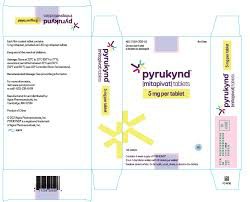
2. The mechanism of action of Metapival
Metapival promotes pyruvate kinase activity through an allosteric activation mechanism. Metapival can bind to the structural domain of the pyruvate kinase tetramer and activate its enzymatic activity by changing its conformation. Metapival restores ATP production during glycolysis by enhancing the activity of pyruvate kinase, thereby improving the function of red blood cells.
In addition, metapival not only increasesATP production improves red blood cell function and may also alleviate the hemolysis process through other pathways. For example, restored PK activity may help reduce red blood cell membrane rupture and improve red blood cell stability in circulation. This is critical for long-term improvement in quality of life, especially in patients with PK deficiency, where the chronic effects of hemolytic anemia can lead to symptoms such as fatigue and weakness, which are significantly alleviated by treatment with metapival.
3. Clinical efficacy of metapival
Metapival's performance in clinical trials has demonstrated its effectiveness, especially in improving hemolytic anemia in patients with PK deficiency. In multiple clinical studies, metapival has shown significant therapeutic effects, including increasing hemoglobin levels, increasing red blood cell counts, and reducing symptoms of anemia in patients. By restoring the activity of pyruvate kinase, Metapival can improve ATP production, enhance the stability of red blood cells, and significantly reduce the occurrence of hemolysis.
Reference materials:https://www.ema.europa.eu/en/medicines/human/EPAR/pyrukynd
[ 免责声明 ] 本页面内容来自公开渠道(如FDA官网、Drugs官网、原研药厂官网等),仅供持有医疗专业资质的人员用于医学药学研究参考,不构成任何治疗建议或药品推荐。所涉药品可能未在中国大陆获批上市,不适用于中国境内销售和使用。如需治疗,请咨询正规医疗机构。本站不提供药品销售或代购服务。


