
.jpeg)
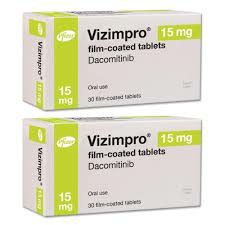
Dacomitinib/Dacomitinib (Dozerun) side effects and treatment methods
Dacomitinib (Dacomitinib), as a targeted therapy drug, has a significant therapeutic effect on many patients with non-small cell lung cancer (NSCLC), but its use may also be accompanied by some side effects. When patients receive dacomitinib treatment, they need to closely monitor the occurrence of side effects under the guidance of a doctor and take corresponding treatment measures in a timely manner.
1. Skin reactions: Rashes and other skin problems are one of the most common side effects of dacomitinib. Patients may experience symptoms such as erythema, dryness, and itching. In some cases, skin reactions may be severe, causing skin ulcers or blisters. If skin discomfort occurs, patients can use mild skin care products or topical medications to relieve symptoms. For more severe rashes, doctors may adjust the treatment plan or take anti-inflammatory treatment based on the patient's tolerance.
2. Diarrhea: Diarrhea is also one of the common side effects of dacomitinib treatment. Patients may experience mild to moderate diarrhea symptoms that, if not controlled promptly, may affect their daily lives. To reduce diarrhea, patients should pay attention to maintaining fluid intake and try to avoid high-fat, spicy and other foods that may irritate the gastrointestinal tract. Additionally, your doctor may recommend anti-diarrhoea medications, such as loperamide, to relieve symptoms.
3. Stomatitis and oral ulcers: Oral mucosal damage is another possible side effect, and patients may experience symptoms such as dry mouth and ulcers. To reduce these discomforts, patients should rinse their mouth regularly, use a saline or antibacterial mouthwash, and keep their mouth clean. If the canker sore is severe, topical treatment or pain relievers may be needed.
4. Hyperlipidemia: Dacomitinib may cause patients to develop hyperlipidemia or high cholesterol levels. Although this side effect usually causes no obvious symptoms, long-term uncontrolled hyperlipidemia may increase the risk of cardiovascular disease. Therefore, during treatment, doctors usually monitor patients' blood lipid levels regularly and administer lipid-lowering drugs when necessary.
5. Abnormal liver function: Dacomitinib may affect liver function and lead to elevated liver enzymes. Patients need to undergo regular liver function tests during treatment to detect signs of liver damage in a timely manner. If a patient develops significant abnormalities in liver function, doctors may consider suspending or adjusting the dose of the drug, or discontinuing treatment if necessary.
6. Fatigue and fatigue: Some patients will experience symptoms such as fatigue and fatigue when taking dacomitinib. This may be due to the drug's effect on normal cells in the body, and patients should ensure adequate rest and nutritional supplements. If fatigue symptoms seriously affect daily life, patients should communicate with their doctor and consider adjusting the treatment plan or taking auxiliary treatment.
Overall, although dacomitinib may cause certain side effects, most of them are manageable. Patients need to cooperate closely with their doctors when receiving treatment, conduct regular examinations, and deal with side effects in a timely manner, so as to maximize the treatment effect and minimize the impact of side effects.
Reference materials:https://www.pfizer.com/products/product-detail/vizimpro
[ 免责声明 ] 本页面内容来自公开渠道(如FDA官网、Drugs官网、原研药厂官网等),仅供持有医疗专业资质的人员用于医学药学研究参考,不构成任何治疗建议或药品推荐。所涉药品可能未在中国大陆获批上市,不适用于中国境内销售和使用。如需治疗,请咨询正规医疗机构。本站不提供药品销售或代购服务。


