
.jpeg)
Is Semaglutide Injection an Insulin Drug?
Although semaglutide injection (Wegovy) is used for blood sugar regulation and obesity management (obesity), it is not an insulin-type drug. Its pharmacological mechanism is based on GLP-1 receptor agonist. By simulating the effect of the natural incretin GLP-1 in the human body, it enhances postprandial insulin secretion, inhibits glucagon release, delays gastric emptying, and increases satiety, thereby helping to control blood sugar and weight. Unlike insulin, semaglutide does not inject insulin directly, but instead modulates endogenous hormone signaling to achieve metabolic improvements.
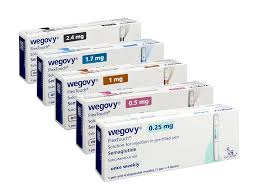
This feature means that the risk of hypoglycemia is lower during the use of semaglutide, especially in non-insulin-dependent patients. At the same time, it can be used as an adjunct to diet and exercise therapy to help control weight and improve obesity-related metabolic abnormalities. Clinical practice shows that semaglutide can be used in combination with other oral or injectable hypoglycemic drugs in blood sugar management, but compared with insulin, its direct regulatory effect on blood sugar is mild, and it mainly works by improving postprandial blood sugar fluctuations and appetite control.
Patients and family members often misunderstand it as an insulin drug because it is also administered by subcutaneous injection. In fact, GLP-1 receptor agonists belong to an independent drug class and are different from insulin in terms of pharmacological effects, dosage management and usage principles. When using semaglutide, it is not necessary to monitor blood sugar as frequently as insulin, but it is still recommended to follow the doctor's guidance, adjust the dosage reasonably, and combine it with diet and exercise intervention to obtain the best weight loss and metabolic improvement effects.
In short, semaglutide is a GLP-1 receptor agonist and is not an insulin drug. It mainly achieves weight loss and blood sugar control by regulating endogenous hormones and gastrointestinal satiety signals. It is highly safe and suitable for long-term use in patients with obesity, overweight and some patients with metabolic abnormalities.
Reference materials:https://www.drugs.com
[ 免责声明 ] 本页面内容来自公开渠道(如FDA官网、Drugs官网、原研药厂官网等),仅供持有医疗专业资质的人员用于医学药学研究参考,不构成任何治疗建议或药品推荐。所涉药品可能未在中国大陆获批上市,不适用于中国境内销售和使用。如需治疗,请咨询正规医疗机构。本站不提供药品销售或代购服务。


