.jpeg)
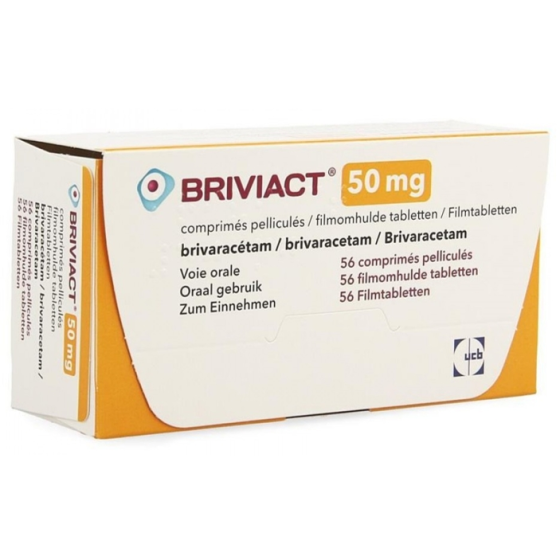
Brivaracetam Medication and Discontinuation Safety Guide
Brivaracetam is an antiepileptic drug classified as a high-affinity ligand for synaptic vesicle protein 2A(SV2A).It is indicated for the treatment of partial-onset seizures in patients with epilepsy,with or without secondary generalization.The drug works by modulating neurotransmitter release from synaptic vesicles,reducing abnormal neuronal discharges to control epileptic seizures.While structurally similar to levetiracetam,brivaracetam has higher target affinity,resulting in a faster onset of action and lower required therapeutic doses.
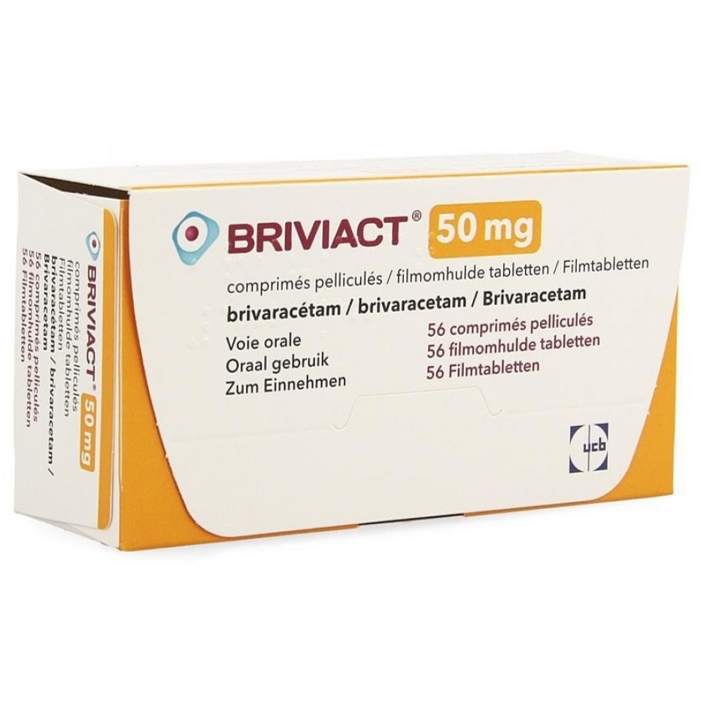
As a symptomatic treatment for epilepsy rather than a curative therapy,brivaracetam is typically taken long-term by most patients,as abrupt discontinuation significantly increases the risk of seizure recurrence.However,lifelong medication is not mandatory for all patients,and treatment duration depends on the underlying cause of epilepsy and individual prognosis.For idiopathic generalized epilepsy such as juvenile myoclonic epilepsy,most patients require long-term or even lifelong treatment to maintain seizure control.For certain self-limited childhood epilepsies,such as benign epilepsy with centrotemporal spikes,gradual discontinuation may be attempted under specialist guidance if the patient remains seizure-free for 2 to 4 years and has normal electroencephalogram(EEG)results.For patients with secondary epilepsy,discontinuation eligibility is assessed based on control of the underlying condition and EEG findings.
The primary risk of discontinuing brivaracetam is seizure recurrence,and abrupt withdrawal or rapid dose reduction may trigger status epilepticus,a life-threatening condition.Recurrence risk is influenced by multiple factors:longer seizure-free periods before discontinuation correlate with lower recurrence risk.Patients seizure-free for 2 years before stopping have a 30%to 40%recurrence rate within the first year post-discontinuation,while those seizure-free for 5 years have a 15%to 20%recurrence rate.Recurrence risk varies widely across epilepsy syndromes;for example,up to 80%of patients with juvenile myoclonic epilepsy experience recurrence after discontinuation.Patients with persistent epileptiform discharges on EEG prior to stopping have a 3-fold higher recurrence risk.Rapid tapering over less than 4 weeks carries a significantly higher recurrence risk compared to slow tapering over 3 months or longer.
Before considering discontinuation,patients must meet several baseline criteria:a minimum of 2 consecutive years seizure-free,with an ideal duration of 3 to 5 years;normal EEG results with no significant epileptiform activity;resolution of the underlying cause of epilepsy,such as no recurrence after brain tumor surgery;and full informed consent from the patient and their family regarding recurrence risks.Pre-discontinuation workup should include complete blood count,liver and kidney function tests,and blood drug level testing to rule out pseudo-seizure-freedom caused by abnormal drug metabolism.All discontinuation assessments and regimen design must be conducted under the guidance of an epilepsy specialist.
Once discontinuation is deemed appropriate,a slow,stepwise tapering regimen is required.As a general principle,the dose is reduced by 10%to 25%of the original daily dose every 2 to 4 weeks.For a patient taking 200mg daily,the regimen would be:150mg daily for weeks 1 to 2,100mg daily for weeks 3 to 4,50mg daily for weeks 5 to 6,followed by complete discontinuation in week 7.If seizure auras occur or EEG findings worsen during tapering,the dose should be immediately returned to the previous effective level and maintained,with no further attempt at discontinuation.Abrupt cessation of treatment is strictly prohibited under any circumstances.
The first 6 months after discontinuation represent a high-risk period for seizure recurrence.During this time,patients should maintain careful self-monitoring and daily management:keep a seizure diary to record abnormal sensations and potential triggers;avoid common precipitating factors such as sleep deprivation,photic stimulation,and alcohol consumption;refrain from driving motor vehicles and other high-risk activities in the early post-discontinuation period;and undergo EEG follow-up every 3 to 6 months as directed by a clinician.If seizure recurrence occurs after discontinuation,the patient should immediately resume the previous effective therapeutic dose,which typically restores seizure control.Repeated attempts at discontinuation are not recommended after a recurrence.
Discontinuation strategies require individualized adjustment for specific populations.Among children,some benign epilepsy syndromes such as benign epilepsy with centrotemporal spikes may resolve spontaneously after puberty,resulting in a relatively higher success rate for discontinuation.Elderly patients have a similar recurrence risk to younger adults after discontinuation,but due to higher risks of falls and secondary injuries,discontinuation is generally not recommended.Pregnant patients who conceive unexpectedly should not stop treatment abruptly;instead,they should maintain the lowest effective dose under medical supervision to ensure pregnancy safety.For patients with hepatic or renal impairment,tapering should proceed even more slowly,with a 10%dose reduction every 4 weeks to minimize recurrence risk and physiological burden.
In summary,brivaracetam does not require lifelong use for all patients,but discontinuation requires rigorous assessment of recurrence risk and strict adherence to a slow,stepwise tapering protocol.Most eligible patients—particularly those with resolved underlying causes,long seizure-free periods,and normal EEG results—can successfully discontinue the medication,though an overall recurrence risk of 20%to 40%remains.Patients must never adjust their dose or discontinue treatment on their own.All changes must be made under the full guidance of an epilepsy specialist,with regular follow-up after discontinuation to address any potential issues promptly.
[ 免责声明 ] 本页面内容来自公开渠道(如FDA官网、Drugs官网、原研药厂官网等),仅供持有医疗专业资质的人员用于医学药学研究参考,不构成任何治疗建议或药品推荐。所涉药品可能未在中国大陆获批上市,不适用于中国境内销售和使用。如需治疗,请咨询正规医疗机构。本站不提供药品销售或代购服务。