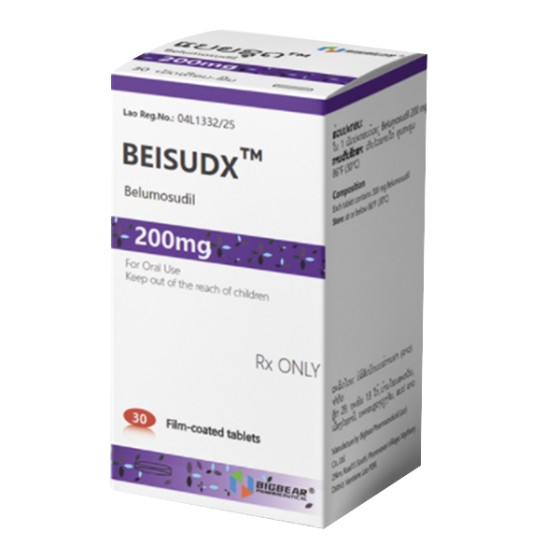
.jpeg)
Belumosudil for Chronic Graft-Versus-Host Disease (cGVHD): Efficacy, Side Effects, and Patient Treatment Guide
1.Drug Overview and Mechanism of Action
Belumosudil is an oral selective Rho-associated coiled-coil protein kinase 2(ROCK2)inhibitor specifically developed for the treatment of chronic graft-versus-host disease(cGVHD).cGVHD is a serious complication following allogeneic hematopoietic stem cell transplantation that can affect multiple organs—including the skin,mouth,eyes,liver,lungs,and joints—manifesting as widespread fibrosis and inflammation.
By precisely inhibiting the ROCK2 signaling pathway,belumosudil downregulates STAT3 and upregulates STAT5,thereby restoring the Th17/Treg immune balance and ultimately reducing tissue fibrosis and inflammation.This unique mechanism of action gives belumosudil differentiated clinical value in cGVHD treatment.
2.Indications and Patient Population
Belumosudil is indicated for patients with chronic graft-versus-host disease(cGVHD)who have failed at least two prior systemic therapies.It offers a new treatment option for patients with moderate-to-severe cGVHD,multi-organ involvement,and refractory disease that has not responded to second-line therapies such as ibrutinib or ruxolitinib.
3.Key Efficacy Data
In the pivotal Phase II ROCKstar study,66 patients with moderate-to-severe cGVHD received belumosudil 200 mg once daily,with encouraging results:
Overall response rate(ORR)of 77%,including a complete response(CR)rate of 9%and a partial response(PR)rate of 68%
Median time to response was 6 weeks,with a median duration of response of 54 weeks
Response rates by affected organ:skin 74%,mouth 71%,joints/fascia 56%,eyes 55%
Particularly noteworthy is that among patients who had previously failed ibrutinib,ruxolitinib,or both,the ORR still reached 74%,充分demonstrating the efficacy of belumosudil in refractory cGVHD.
4.Patient Symptom Improvement Experiences
According to patient-reported outcome(PRO)data,patients receiving belumosudil achieved an average improvement of approximately 30%on the cGVHD symptom scale(Lee Symptom Scale)at week 24.The most notable improvements reported by patients include:reduced skin tightness and itching,relief from oral dryness and pain,increased joint mobility,and improved eye dryness.
One patient shared:"Before,my skin felt like it was wrapped in leather and I couldn't bend my fingers.After 8 weeks on the medication,my skin softened and I could button my own shirt."These real-life experiences directly reflect the anti-fibrotic effects of belumosudil.
5.Safety and Side Effects
Most patients tolerate belumosudil well.Common side effects(incidence≥10%)include:fatigue(approximately 30%),diarrhea(approximately 20%),nausea(approximately 15%),and headache(approximately 10%).The incidence of Grade 3 or higher adverse events is approximately 15%,with the most common being fatigue(3%),diarrhea(2%),and anemia(2%).
One patient reported:"I felt a bit tired during the first week,but I gradually adapted.I didn't experience serious infections or white blood cell decline—it's much better than the steroids I was on before."Compared with glucocorticoids,belumosudil does not cause hyperglycemia,osteoporosis,or mood swings,offering a more favorable safety profile.
6.Steroid-Sparing Effect
A significant advantage of belumosudil is its ability to help patients reduce glucocorticoid dosage.In the ROCKstar study,approximately 60%of patients were able to reduce their prednisone dose by at least 50%at week 24,and approximately 30%achieved complete steroid discontinuation.
One patient described their transformation:"I used to take 60 mg of prednisone daily—my face was swollen like a balloon and my blood sugar was high.After adding belumosudil,my steroids gradually tapered down to 10 mg,my face went back to normal,and my blood sugar stabilized."Steroid reduction significantly improves patients'quality of life and reduces the risk of complications from long-term steroid therapy.
7.Onset of Action and Treatment Recommendations
Patients typically begin to experience symptom improvement 4–8 weeks after starting treatment,but maximum response may take 12–24 weeks.Approximately 20%of patients continue to show improvement beyond 24 weeks.Therefore,it is recommended that patients persist with treatment for at least 3 months before evaluating efficacy,and should not discontinue prematurely.
One patient shared their experience:"I didn't feel much in the first month and almost gave up.My doctor told me to stick with it,and by week 10 I suddenly noticed my skin was much softer."Patience and persistence are key to achieving good treatment outcomes.
8.Long-Term Efficacy and Ongoing Management
In long-term extension studies,responses to belumosudil can persist for more than 2 years.Most patients require continued medication to maintain response,as cGVHD may relapse after discontinuation(approximately 30%).
One patient stated:"I've been on the medication for 18 months and my condition is stable.My doctor says I'll keep taking it as long as there's no relapse.I just have check-ups every 3 months—it's very convenient."This suggests that belumosudil treatment requires long-term management rather than short-term cure,and patients should follow up regularly under medical supervision.
9.Comparison with Existing Therapies
Traditional second-line treatments for cGVHD include ibrutinib(BTK inhibitor),ruxolitinib(JAK inhibitor),and extracorporeal photopheresis.Based on patient feedback:
Ibrutinib may cause cardiovascular adverse effects such as bleeding and atrial fibrillation
Ruxolitinib tends to cause cytopenia and increased infection risk
Belumosudil's side effect profile is dominated by fatigue and gastrointestinal reactions,with no significant cardiac toxicity and lower infection risk
However,it should be noted that belumosudil has relatively poor efficacy in pulmonary cGVHD(bronchiolitis obliterans),with an ORR of approximately 30%,which represents a limitation in its clinical application.
10.Global Availability
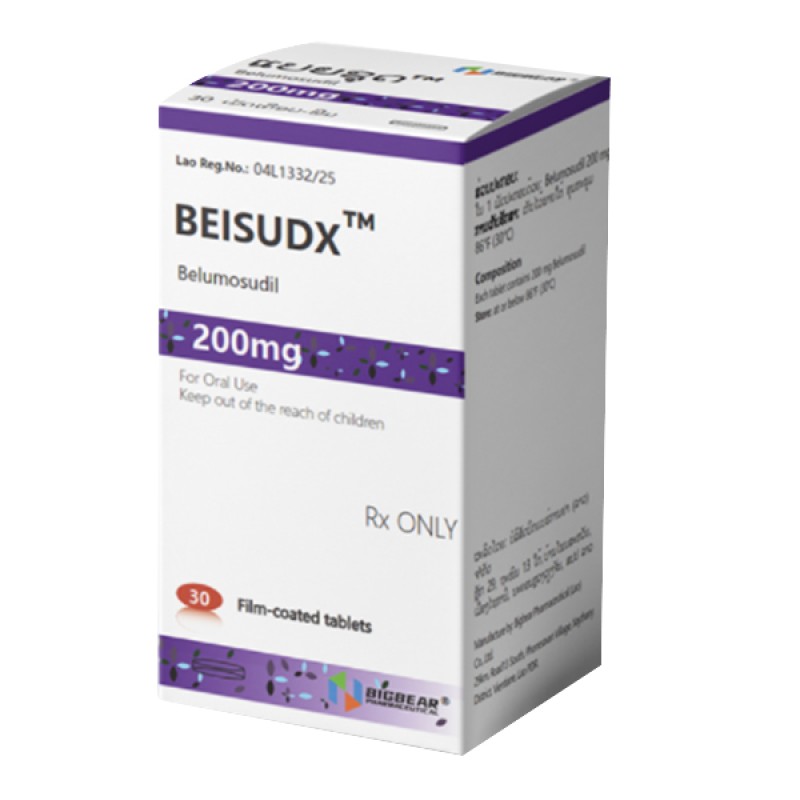
Belumosudil has been approved for marketing in multiple countries and regions.The common formulation of the originator product is 0.2 g×30 tablets,with prices varying by region.Generic versions are available in some areas,and patients can discuss appropriate treatment options with their physicians based on individual circumstances.
11.Summary
Combining clinical data with real-world patient experiences,belumosudil demonstrates significant improvement in skin,oral,and joint symptoms of cGVHD,with a prominent steroid-sparing effect and manageable side effects(primarily fatigue and diarrhea).For patients who have failed multiple prior lines of therapy,belumosudil is a treatment option worth considering.
Patients with cGVHD are advised to have thorough discussions with their transplant specialists to assess whether belumosudil is appropriate,and to adhere to standardized treatment for at least 3 months under medical guidance in order to fully evaluate efficacy.
[ 免责声明 ] 本页面内容来自公开渠道(如FDA官网、Drugs官网、原研药厂官网等),仅供持有医疗专业资质的人员用于医学药学研究参考,不构成任何治疗建议或药品推荐。所涉药品可能未在中国大陆获批上市,不适用于中国境内销售和使用。如需治疗,请咨询正规医疗机构。本站不提供药品销售或代购服务。