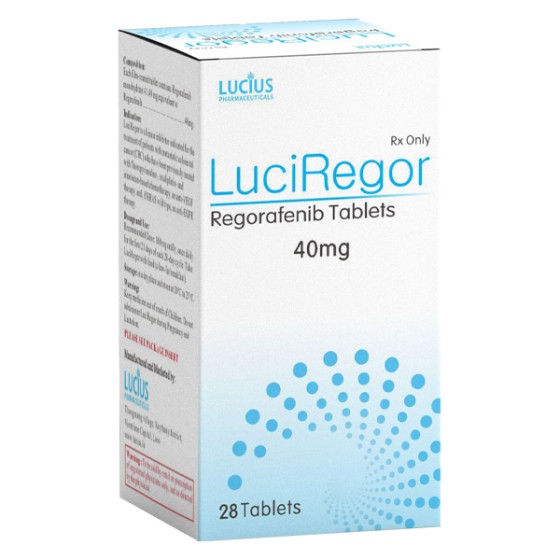
Regorafenib (brand name Stivarga) is a multi-targeted tyrosine kinase inhibitor essential for treating hepatocellular carcinoma, colorectal cancer, and gastrointestinal stromal tumors. Its efficacy and safety critically depend on proper administration. Deviating from recommended guidelines can cause excessive drug absorption, severe side effects, or treatment discontinuation. To maximize therapeutic outcomes, strictly adhere to these evidence-based protocols: low-fat breakfast administration, fixed daily timing, and dose-escalation strategy, coupled with proactive side effect management.
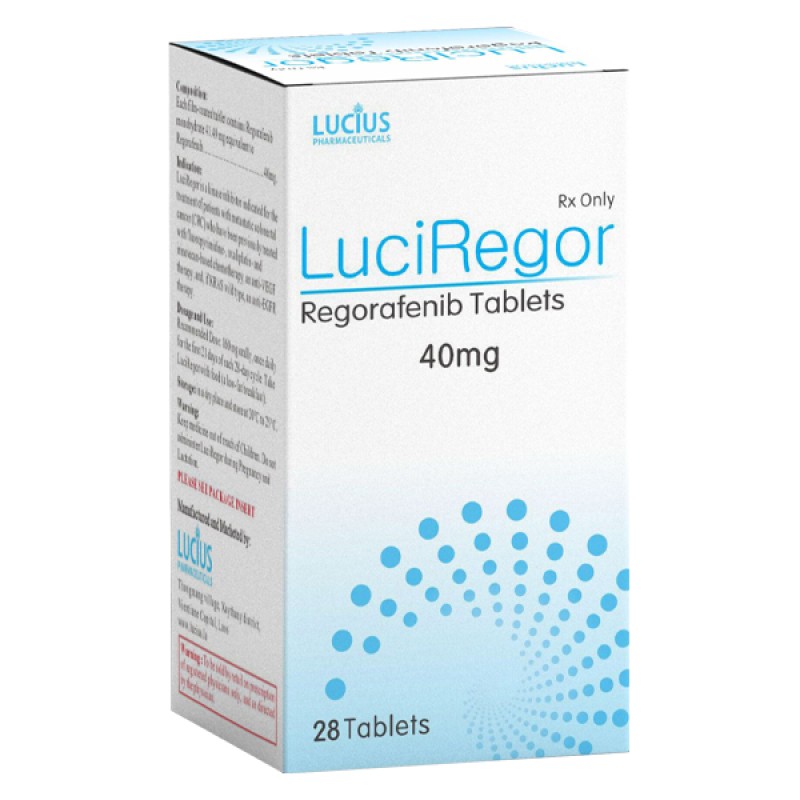
- Dose and Timing: Standard dose is 160mg daily (4 × 40mg tablets). Treatment follows a 28-day cycle: 21 days of continuous dosing followed by 7 days off. Take at the same time daily (e.g., 8 AM) to maintain stable blood levels.
- Optimal Timing: Always take after a low-fat breakfast. The meal should be under 600-700 calories with fat content <30% (e.g., oatmeal + boiled egg; avoid fried foods, fatty meats). High-fat meals significantly increase drug absorption, raising risks of hypertension and hand-foot skin reaction.
- Treatment Cycle: Continue until disease progression or intolerable toxicity. Physicians may adjust dosage (e.g., dose escalation: Week 1: 80mg → Week 2: 120mg → Week 3+: 160mg) to improve initial tolerability.
- Side Effect Management: Common side effects include hand-foot skin reaction (prevent with urea-based moisturizers), hypertension (weekly blood pressure checks), and liver abnormalities (regular liver enzyme monitoring). Proactive management—not discontinuation—is key; report symptoms promptly for optimized treatment continuity.
- Conclusion: Regorafenib’s success hinges on precise dosing—low-fat meals ensure consistent drug absorption, dose escalation minimizes early adverse events, and regular monitoring safeguards safety. Always consult your oncologist for a personalized regimen; never self-adjust doses.

.jpeg)