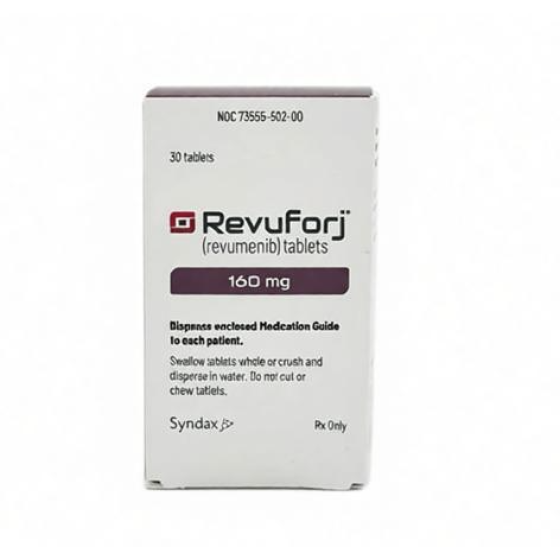
.jpeg)
Clinical Application and Safety Monitoring of Revumenib (Menin Inhibitor) in Acute Leukemia
1. Precision Targeting Mechanism
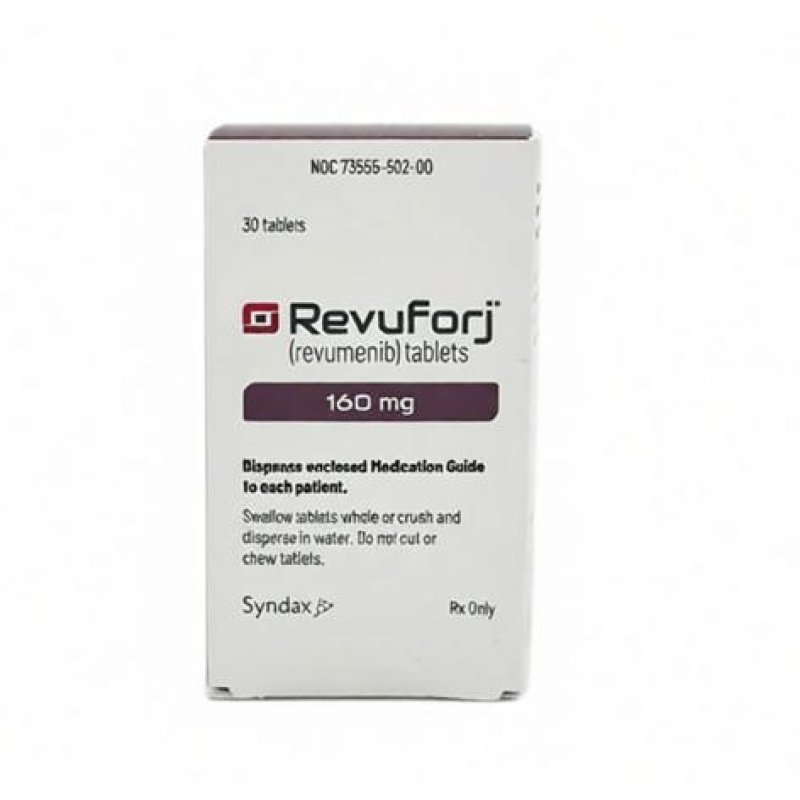
Revumenib is a novel oral inhibitor designed to disrupt the Menin-MLL1 interaction, specifically indicated for relapsed or refractory acute leukemias harboring KMT2A rearrangements or NPM1 mutations. By blocking the binding of Menin to MLL fusion proteins, it silences downstream leukemogenic gene expression, promoting differentiation or apoptosis of malignant cells. Due to its unique mechanism, familiarity with its specific adverse event profile is essential.
2. Vigilance for Differentiation Syndrome
Clinicians must monitor for Differentiation Syndrome during treatment. Manifestations include fever, dyspnea, pulmonary infiltrates, weight gain, and hypotension. Upon suspicion, immediate administration of corticosteroids (e.g., dexamethasone) and temporary discontinuation of Revumenib are required. Early intervention typically leads to full reversal. Patient and caregiver education regarding these symptoms is mandatory during the initial cycles.
3. ECG and Electrolyte Management
Revumenib can cause dose-dependent QTc interval prolongation, potentially increasing the risk of ventricular arrhythmias. Baseline and regular monitoring of electrocardiograms and electrolytes are mandatory. Serum potassium and magnesium should be maintained at the upper limit of the normal range. Concomitant use of other drugs known to prolong the QT interval should be avoided. If the QTc exceeds 500 ms or if syncope/ palpitations occur, treatment should be interrupted pending cardiac evaluation.
4. Hematologic and Gastrointestinal Reactions
Common adverse events include mild to moderate nausea, vomiting, and diarrhea, which are generally manageable with standard antiemetics or antidiarrheals. Myelosuppression, including thrombocytopenia and neutropenia, is also frequent, necessitating transfusion support or infection prophylaxis based on blood counts. These toxicities often partially recover during treatment breaks, allowing for dose adjustments.
5. Long-Term Follow-Up and Risk Mitigation
Given the current lack of ultra-long-term data, there may be risks of sustained immunosuppression and secondary infections, extrapolated from similar agents. Regular specialist follow-up is recommended even after therapy completion. Revumenib is restricted to use within specialized hematology-oncology centers under a strict Risk Evaluation and Mitigation Strategy (REMS), ensuring standardized protocols for patient safety.
[ 免责声明 ] 本页面内容来自公开渠道(如FDA官网、Drugs官网、原研药厂官网等),仅供持有医疗专业资质的人员用于医学药学研究参考,不构成任何治疗建议或药品推荐。所涉药品可能未在中国大陆获批上市,不适用于中国境内销售和使用。如需治疗,请咨询正规医疗机构。本站不提供药品销售或代购服务。