.jpeg)
Vemurafenib: Mechanism of Action and Clinical Role in BRAF V600E–Targeted Therapy
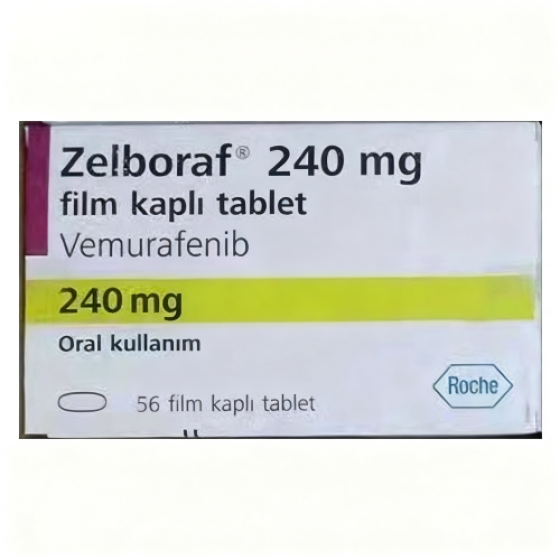
Vemurafenib (brand name Zelboraf) is an oral small-molecule kinase inhibitor and a representative agent in the class of BRAF-targeted therapies. Unlike conventional chemotherapy agents that indiscriminately attack rapidly dividing cells, vemurafenib was specifically designed to identify and act upon distinct molecular abnormalities within tumor cells. This precision approach enables effective antitumor activity while minimizing collateral damage to normal tissues, making vemurafenib a landmark drug in the era of precision oncology.
At the molecular level, vemurafenib's primary target is specific mutant forms of the BRAF kinase, with the BRAF V600E mutation being the most clinically significant. Under normal physiological conditions, the BRAF protein participates in signaling pathways that regulate cell proliferation and differentiation, subject to stringent regulatory control. However, when the BRAF gene acquires mutations such as V600E, the resulting BRAF protein becomes constitutively active, continuously transmitting proliferative signals downstream and driving uncontrolled tumor cell growth and division. Vemurafenib selectively binds to and inhibits the aberrantly activated mutant BRAF protein, thereby interrupting this pathological signaling cascade and effectively suppressing the proliferative capacity of mutation-bearing tumor cells.
It is worth noting that vemurafenib's kinase inhibition profile is not entirely restricted to mutant BRAF. In vitro studies have demonstrated that the drug also exhibits inhibitory activity against CRAF, ARAF, and wild-type BRAF kinases. Nevertheless, the clinical antitumor benefit of vemurafenib is primarily attributed to its effective blockade of the aberrant BRAF signaling pathway. This target-centric mode of action represents the fundamental distinction between targeted therapy and traditional cytotoxic chemotherapy.
Given that vemurafenib's efficacy is高度 contingent upon the presence of specific BRAF mutations, BRAF genetic testing occupies an indispensable role in clinical treatment decision-making. Not all cancer patients are candidates for vemurafenib therapy; only those whose tumors are confirmed by genetic testing to harbor BRAF V600E or related sensitizing mutations can derive significant therapeutic benefit from this agent. In the context of melanoma, for example, determining BRAF mutation status is an essential prerequisite before formulating a treatment plan, exemplifying the precision medicine paradigm in clinical practice. This "test first, treat accordingly" model underscores the strong dependence of targeted therapy on molecular diagnostics.
In summary, vemurafenib, as an oral small-molecule targeted inhibitor directed against BRAF V600E mutations, holds a prominent position in the treatment of BRAF-mutant positive tumors owing to its well-defined molecular target and precise mechanism of action. It stands not only as a representative agent of the precision-targeted therapy concept but also as a foundational drug that has paved the way for the development of subsequent BRAF inhibitors and combination treatment strategies. For patients who meet the criteria for genetic testing, vemurafenib offers a more targeted therapeutic alternative distinct from conventional chemotherapy.
[ 免责声明 ] 本页面内容来自公开渠道(如FDA官网、Drugs官网、原研药厂官网等),仅供持有医疗专业资质的人员用于医学药学研究参考,不构成任何治疗建议或药品推荐。所涉药品可能未在中国大陆获批上市,不适用于中国境内销售和使用。如需治疗,请咨询正规医疗机构。本站不提供药品销售或代购服务。